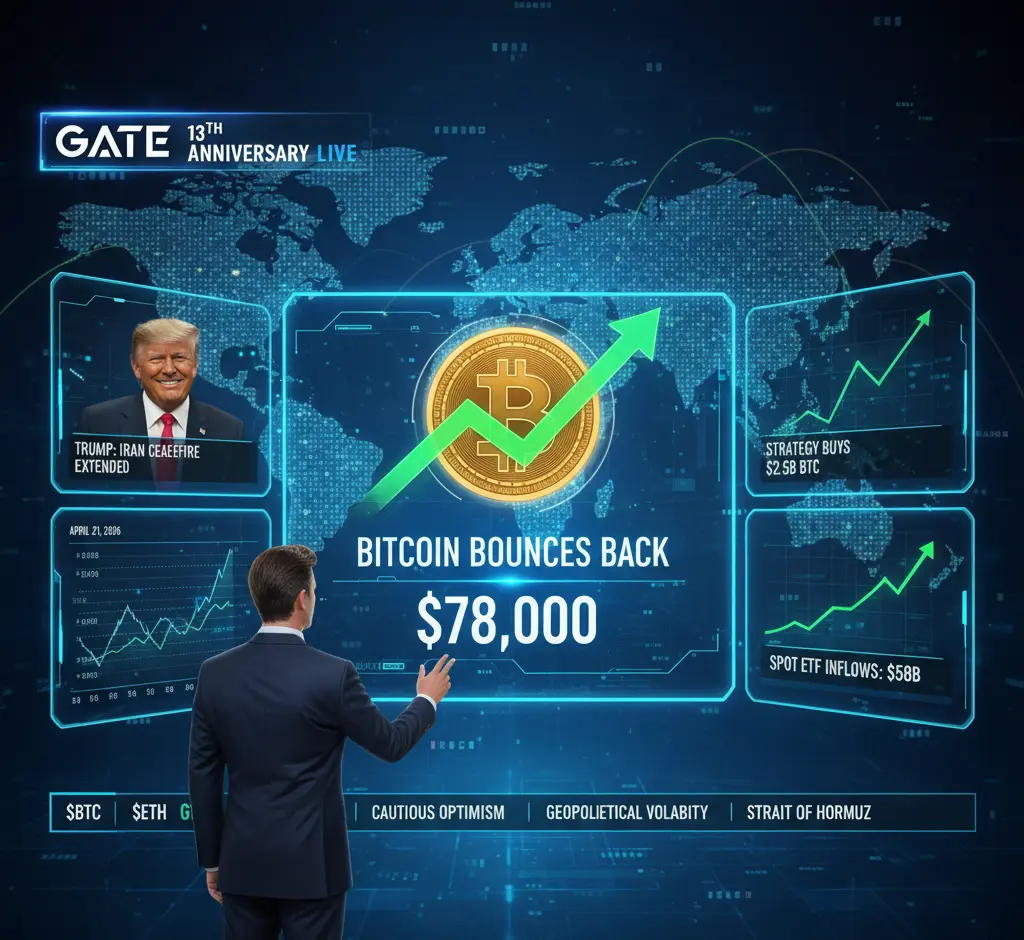

#EthereumMemeSeasonReturns Bitcoin (BTC) continued its rise last night and briefly climbed above $79,300. However, this didn’t last long, and Bitcoin failed in its attempt to break the critical resistance at $80,000. The BTC price fell back to around the $77,800 levels.
While the BTC price remains volatile, positive sentiment and inflows in US spot ETFs continue.
According to Farside Investors data, there was net inflow for 7 consecutive days in US spot Bitcoin ETFs. On Wednesday, ETFs recorded a net inflow of $336 million.
Bitcoin ETF inflows were led by BlackRock’s IBIT fund with $246.9 million, followed by Fidelity’s FBTC fund with $56.7 million.
Bitwise’s BITB fund recorded $15.4 million, Ark Invest’s ARKB fund $11.9 million, Morgan Stanley’s MSBT fund launched in recent weeks $11.3 million, Wisdom Tree’s BTCW fund $6.3 million, and VanEck’s HODL fund $3.9 million in inflows.
In contrast, Grayscale’s GBTC fund was the only one to see outflows, with $16.6 million.
Finally, Invesco’s BTCO fund; Franklin Templeton’s EZBC fund; and Valkyre’s BRRR fund recorded zero flow.
Inflows Continue in Ethereum ETFs!
Inflows were also seen in Ethereum (ETH) ETFs. According to Farside Investors data, spot Ethereum ETFs recorded net inflows for 10 consecutive days. And total net inflows of $96.4 million were recorded.
Based on the data, BlackRock’s ETHA fund led the inflows with $53.6 million. It was followed by Fidelity’s FETH fund with $40.6 million and Grayscale’s Mini Ethereum (ETH) fund with $11.4 million.
In contrast, Grayscale’s Ethereum Trust (ETHE) recorded an outflow of $9.2 million.
Finally, BlackRock’s ETHB fund; Bitwise’s ETHW fund; 21Shares’ TETH fund; VanEck’s ETHV fund; Invesco’s QETH fund; and Franklin Templeton’s EZET fund recorded zero flow.
What’s the Situation with Solana and XRP ETFs?
As with Bitcoin and Ethereum ETFs, demand for altcoin ETFs continues.
Accordingly, while XRP spot ETFs saw inflows of $2.4 million, Solana (SOL) spot ETFs recorded zero flow yesterday.
NOT INVESTMENT ADVICE
$BTC $ETH $SOL
While the BTC price remains volatile, positive sentiment and inflows in US spot ETFs continue.
According to Farside Investors data, there was net inflow for 7 consecutive days in US spot Bitcoin ETFs. On Wednesday, ETFs recorded a net inflow of $336 million.
Bitcoin ETF inflows were led by BlackRock’s IBIT fund with $246.9 million, followed by Fidelity’s FBTC fund with $56.7 million.
Bitwise’s BITB fund recorded $15.4 million, Ark Invest’s ARKB fund $11.9 million, Morgan Stanley’s MSBT fund launched in recent weeks $11.3 million, Wisdom Tree’s BTCW fund $6.3 million, and VanEck’s HODL fund $3.9 million in inflows.
In contrast, Grayscale’s GBTC fund was the only one to see outflows, with $16.6 million.
Finally, Invesco’s BTCO fund; Franklin Templeton’s EZBC fund; and Valkyre’s BRRR fund recorded zero flow.
Inflows Continue in Ethereum ETFs!
Inflows were also seen in Ethereum (ETH) ETFs. According to Farside Investors data, spot Ethereum ETFs recorded net inflows for 10 consecutive days. And total net inflows of $96.4 million were recorded.
Based on the data, BlackRock’s ETHA fund led the inflows with $53.6 million. It was followed by Fidelity’s FETH fund with $40.6 million and Grayscale’s Mini Ethereum (ETH) fund with $11.4 million.
In contrast, Grayscale’s Ethereum Trust (ETHE) recorded an outflow of $9.2 million.
Finally, BlackRock’s ETHB fund; Bitwise’s ETHW fund; 21Shares’ TETH fund; VanEck’s ETHV fund; Invesco’s QETH fund; and Franklin Templeton’s EZET fund recorded zero flow.
What’s the Situation with Solana and XRP ETFs?
As with Bitcoin and Ethereum ETFs, demand for altcoin ETFs continues.
Accordingly, while XRP spot ETFs saw inflows of $2.4 million, Solana (SOL) spot ETFs recorded zero flow yesterday.
NOT INVESTMENT ADVICE
$BTC $ETH $SOL