# US-IranTalksStall

93.58K
📢 Gate Plaza | 4/24 Hot Topics: #美伊谈判陷入僵局
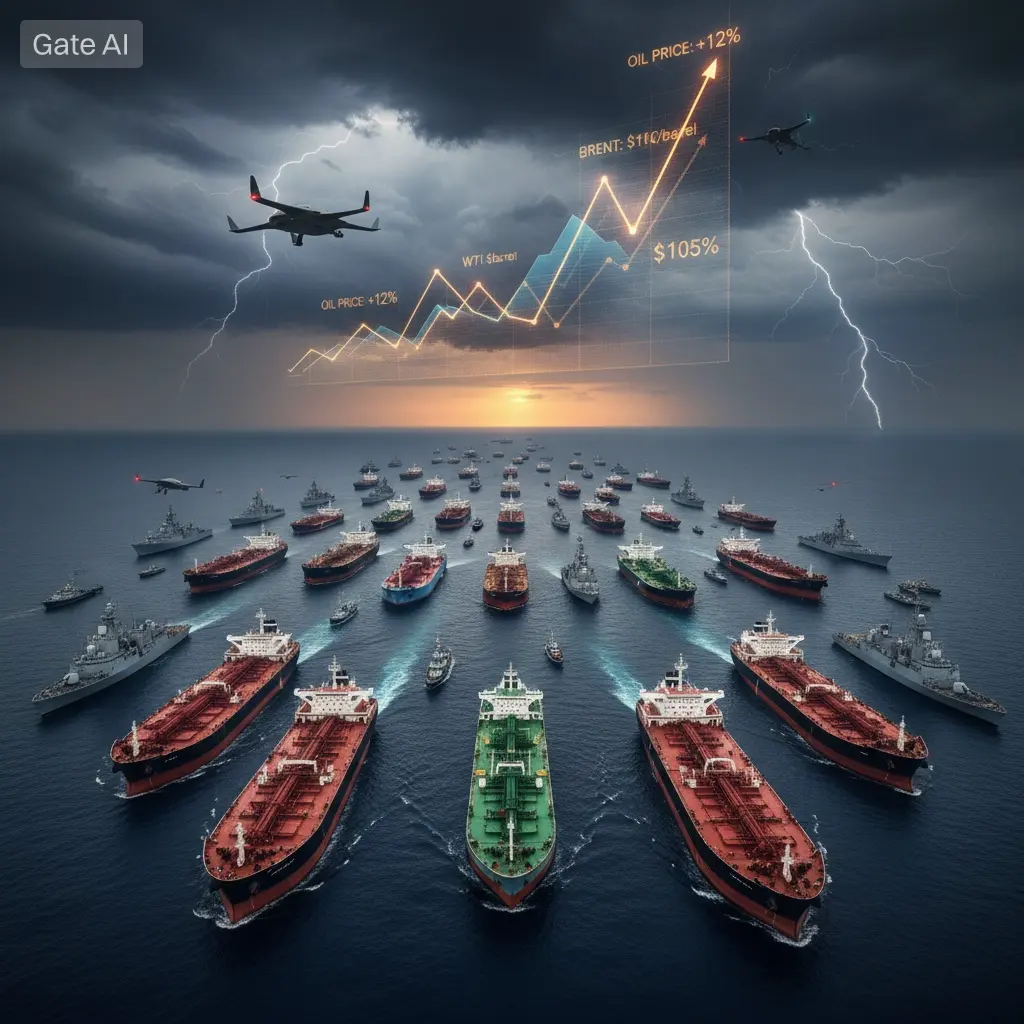
The Middle East situation heats up again, with the US-Iran game intensifying. Iran sends strong signals and accelerates military buildup, while the US simultaneously enhances deployments and initiates citizen evacuations. Tensions in the Strait of Hormuz escalate, with increased risks of oil tanker interception and blockade. Disagreements in negotiations continue to widen; whether a ceasefire will break down has become a key variable affecting oil prices and the global market.
🎁 Market analysis, pick 5 lucky winners to share $1,000 in position exper
View Original
post-image
  • Reward
  • 16
  • Repost
  • Share
LittleGodOfWealthPlutus:
Wishing you good luck in the Year of the Horse, and congratulations on your wealth.
View More
#US-IranTalksStall #USIranTalksStall
🚨 Geopolitics Meets Markets: What Comes Next?
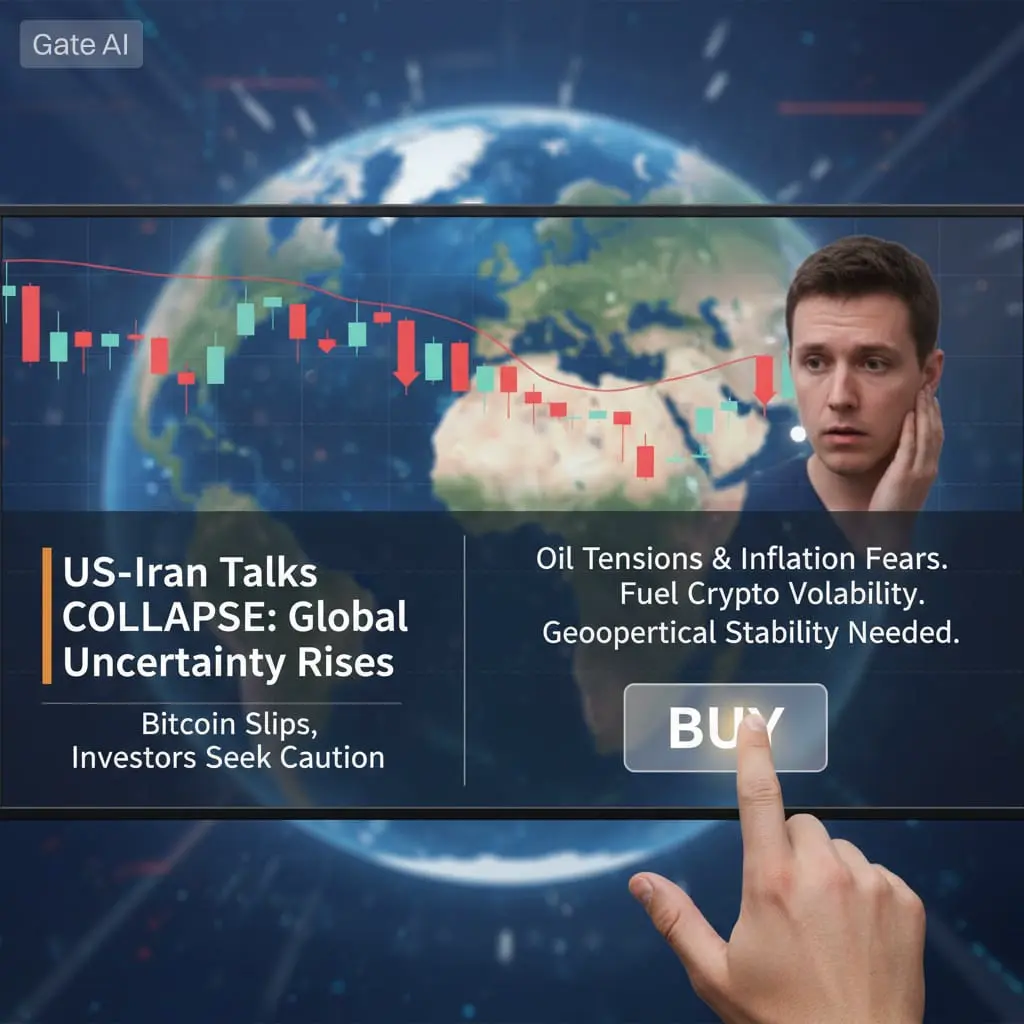
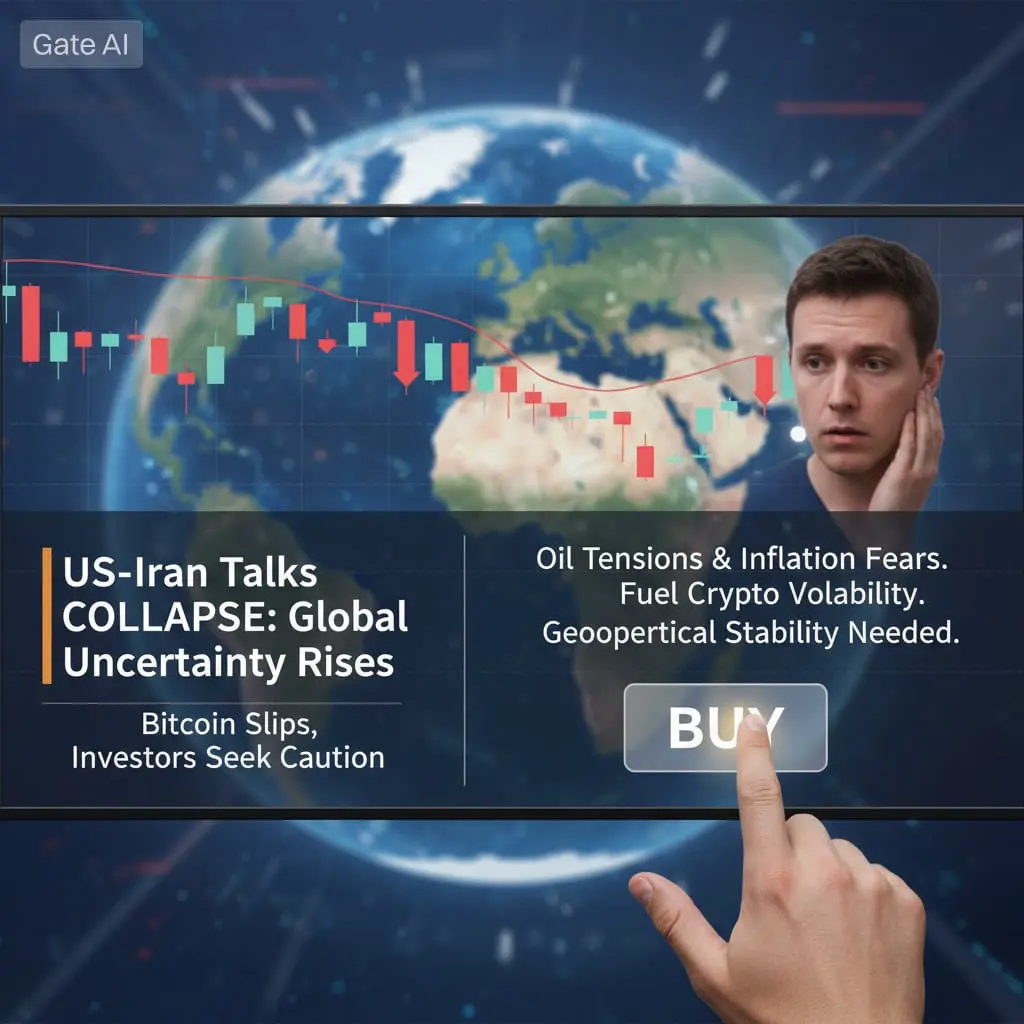
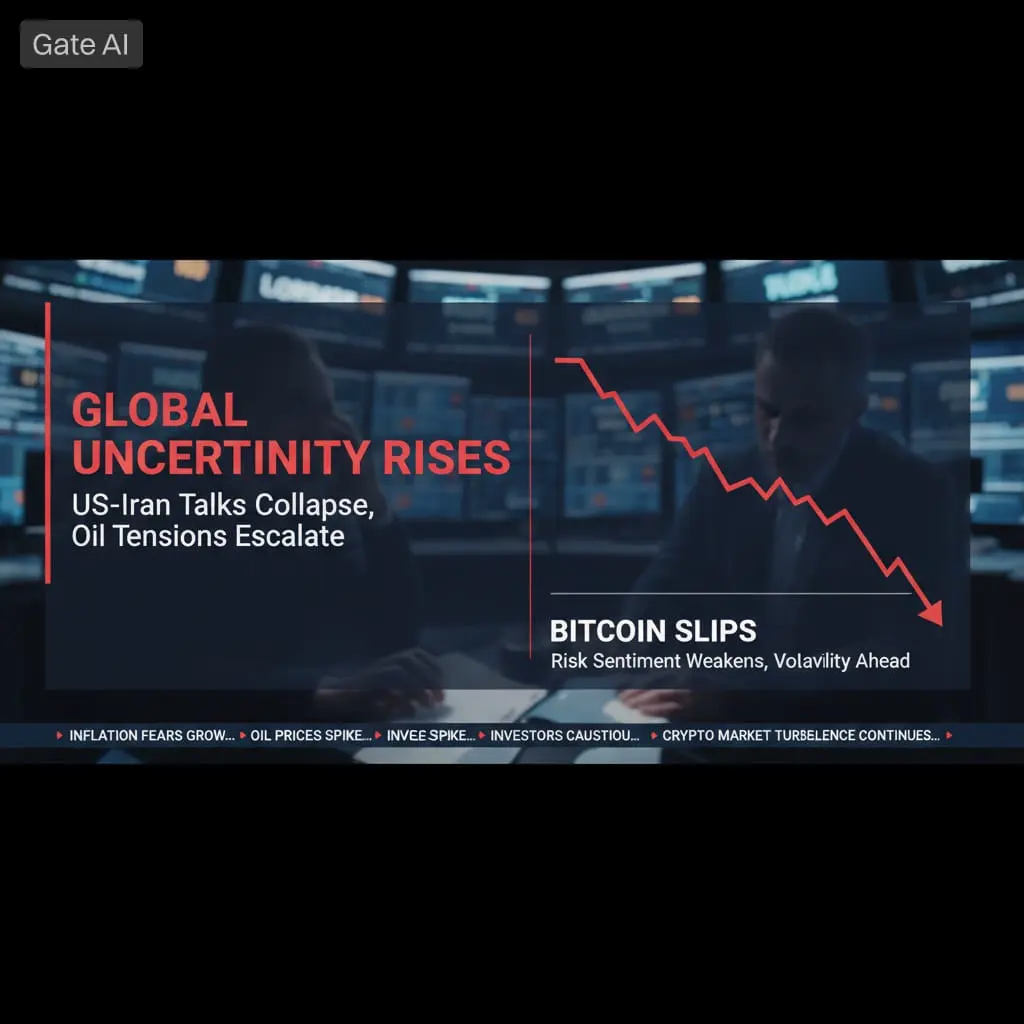
The collapse of US–Iran negotiations has injected fresh uncertainty into global markets — and crypto is already reacting. After an intense 21-hour diplomatic push in Islamabad, talks broke down with no agreement, reigniting tensions around nuclear policy, sanctions, and control of the Strait of Hormuz.
🌍 Why This Matters
• Oil flows are under pressure → inflation risks rising
• Risk sentiment is weakening → capital rotating to safety
• Global macro uncertainty is back in focus
📉 Bitcoin Reaction
BTC pulled ba
BTC-0,09%
  • Reward
  • 2
  • Repost
  • Share
AylaShinex:
To The Moon 🌕
View More
I agree
#US-IranTalksStall
The recent breakdown in negotiations between the United States and Iran represents one of the most significant geopolitical developments affecting global markets in 2026. The talks, which were held in Islamabad, Pakistan, collapsed after marathon 21-hour negotiations failed to produce a truce deal, with both sides trading accusations and escalating tensions.
Reasons Behind the Talks Stall
The primary sticking points that led to the collapse of negotiations are multifaceted. First and foremost, Iran's refusal to commit to abandoning its nuclear ambitions remains the
BTC-0,09%
  • Reward
  • Comment
  • Repost
  • Share
The market isn’t waiting for war.
It’s already pricing what happens if control is lost.
Right now, the Strait of Hormuz isn’t just a geopolitical hotspot — it’s the single most important pressure point for global liquidity.
And the situation has clearly escalated:
→ Oil already pushed above $105–106 as risk premium expands
→ Military buildup intensifying with multiple U.S. carrier groups deployed
→ Reports of mines, ship seizures, and near-total disruption fears
→ Negotiations stalled, with both sides preparing for worst-case scenarios
This is no longer “tension.”
This is pre-escalation positi
post-image
Gate广场_Official
📢 Gate Plaza | 4/24 Hot Topics: #美伊谈判陷入僵局
The Middle East situation heats up again, with the US-Iran game intensifying. Iran sends strong signals and accelerates military buildup, while the US simultaneously enhances deployments and initiates citizen evacuations. Tensions in the Strait of Hormuz escalate, with increased risks of oil tanker interception and blockade. Disagreements in negotiations continue to widen; whether a ceasefire will break down has become a key variable affecting oil prices and the global market.
🎁 Market analysis, pick 5 lucky winners to share $1,000 in position experience vouchers!
💬 This week's discussion:
1️⃣ Will the ceasefire break down? Will the Strait of Hormuz be blocked? What is your judgment?
2️⃣ If the conflict escalates, how will oil prices and the global market evolve?
🔗 Share now: https://www.gate.com/post
📅 Deadline: 4/26 18:00 (UTC+8)
repost-content-media
  • Reward
  • Comment
  • Repost
  • Share
#US-IranTalksStall
The recent breakdown in negotiations between the United States and Iran represents one of the most significant geopolitical developments affecting global markets in 2026. The talks, which were held in Islamabad, Pakistan, collapsed after marathon 21-hour negotiations failed to produce a truce deal, with both sides trading accusations and escalating tensions.
Reasons Behind the Talks Stall
The primary sticking points that led to the collapse of negotiations are multifaceted. First and foremost, Iran's refusal to commit to abandoning its nuclear ambitions remains the central
BTC-0,09%
HighAmbition
#US-IranTalksStall
The recent breakdown in negotiations between the United States and Iran represents one of the most significant geopolitical developments affecting global markets in 2026. The talks, which were held in Islamabad, Pakistan, collapsed after marathon 21-hour negotiations failed to produce a truce deal, with both sides trading accusations and escalating tensions.
Reasons Behind the Talks Stall
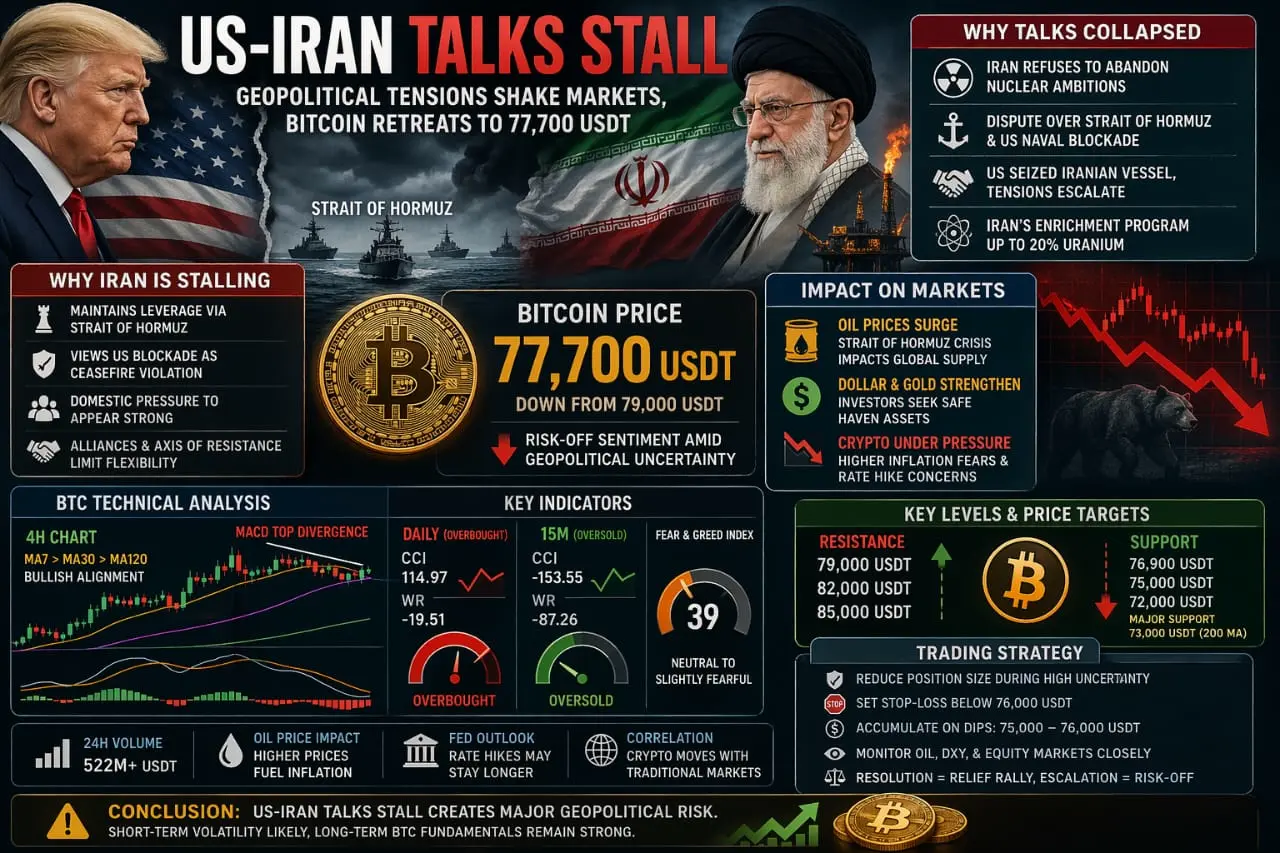
The primary sticking points that led to the collapse of negotiations are multifaceted. First and foremost, Iran's refusal to commit to abandoning its nuclear ambitions remains the central obstacle. US Vice President JD Vance explicitly stated that Tehran would not accept Washington's terms regarding nuclear weapons development. The US demands an affirmative commitment that Iran will not seek nuclear weapons or the tools to quickly achieve them.
The Strait of Hormuz has emerged as another critical flashpoint. Iran continues to essentially control this vital waterway through which approximately 20 percent of global oil shipments pass. President Trump announced that the US would impose a naval blockade on Iranian ports in response to Iran's closure of the strait since the beginning of hostilities on February 28, 2026. This blockade has sent oil prices spiraling worldwide and created significant economic pressure on Iran.
Iran has expressed frustration over Trump's decision to maintain the naval blockade even after Tehran announced it would reopen the strait following a 10-day ceasefire between Israel and Lebanon. Iranian officials have threatened to forgo negotiations entirely after the US military seized an Iranian-flagged vessel attempting to defy the blockade over the weekend.
The scope of Iran's nuclear enrichment program has also been contentious. The proposed enrichment program was based on what analysts describe as an overly ambitious 10-year reactor plan, including enriching uranium up to 20 percent with advanced centrifuges. The International Atomic Energy Agency has tracked Iran's nuclear fuel and documented that Iran had 45.5 kilograms of uranium enriched to 20 percent, representing roughly a seven-to-eight-year supply for the reactor.
Why Iran is Stalling the Talks
Iran's negotiating position appears driven by several factors. The regime is seeking to maintain leverage by controlling the Strait of Hormuz, which gives them significant geopolitical power. Additionally, Iran views the US blockade as a violation of the ceasefire agreement, creating a Catch-22 situation where neither side is willing to make the first concession.
The Iranian leadership, under Supreme Leader Mojtaba Khamenei, faces domestic pressure to appear strong against American demands. The country's economy has been devastated by sanctions, and any deal that appears to capitulate to US demands could undermine the regime's legitimacy. Furthermore, Iran's strategic alliances with regional actors and its position within the Axis of Resistance create additional constraints on its negotiating flexibility.
Impact on Crypto Markets
The breakdown in US-Iran talks has created significant ripples throughout cryptocurrency markets. Bitcoin, which had touched the 79,000 USDT level, has retreated to approximately 77,700 USDT, reflecting the risk-off sentiment that typically accompanies geopolitical uncertainty.
The correlation between geopolitical tensions and crypto market volatility has become increasingly pronounced. When traditional safe-haven assets like gold and the US dollar strengthen during times of crisis, cryptocurrencies often experience sell pressure as investors seek liquidity and stability. The current situation is no exception, with Bitcoin struggling to maintain momentum above key resistance levels.
The Strait of Hormuz crisis has particular implications for crypto markets because it affects global energy prices. Higher oil prices typically lead to inflationary pressures, which can influence Federal Reserve policy decisions. Any indication that the Fed might maintain higher interest rates for longer due to inflation concerns tends to weigh on risk assets, including cryptocurrencies.
BTC Current Price Analysis and Forecast
Bitcoin is currently trading around 77,700 USDT, having retreated from the 79,000 USDT resistance level. Technical analysis reveals a mixed picture. On the 4-hour timeframe, moving averages show a bullish alignment with MA7 above MA30 above MA120, indicating an overall upward trend. However, there are concerning signals as well.
The 4-hour chart displays a MACD top divergence pattern, where price made a new high while the MACD histogram decreased, suggesting potential pullback risk. Daily indicators show overbought conditions with CCI at 114.97 and WR at negative 19.51, indicating the market may be due for a correction.
Short-term indicators on the 15-minute timeframe show oversold conditions with CCI at negative 153.55 and WR at negative 87.26, suggesting potential for a bounce. However, the price has fallen below the 20-period moving average, indicating short-term weakness.
Volume analysis shows significant participation with 24-hour trading volume exceeding 522 million USDT, suggesting strong market interest at current levels. The fear and greed index sits at 39, indicating a neutral to slightly fearful sentiment among market participants.
Trading Strategy and Price Targets
Given the current geopolitical uncertainty and technical setup, a cautious approach is warranted. The immediate support level to watch is around 76,900 USDT, which represents the recent low. If this level holds, Bitcoin could attempt another push toward the 79,000 USDT resistance.
However, if the US-Iran situation deteriorates further and oil prices spike, Bitcoin could face additional downside pressure. In a risk-off scenario, support levels at 75,000 USDT and 72,000 USDT come into play. The 200-day moving average around 73,000 USDT represents a critical long-term support zone.
For upside targets, a break above 79,000 USDT could open the door to 82,000 USDT and potentially 85,000 USDT. However, given the overbought daily conditions and geopolitical risks, the probability of immediate new highs appears limited.
Strategic Recommendations
Traders should consider reducing position sizes during periods of heightened geopolitical uncertainty. Setting stop-losses below the 76,000 USDT level would help protect against a deeper correction. For those looking to accumulate, dollar-cost averaging on dips toward the 75,000-76,000 USDT zone may be prudent.
The correlation between traditional markets and crypto has been increasing, so monitoring developments in oil prices, the US dollar index, and equity markets will provide valuable context for crypto trading decisions. Any resolution to the US-Iran tensions could spark a relief rally, while escalation could trigger a broader risk-off move affecting all asset classes.
In conclusion, the US-Iran talks stall represents a significant geopolitical risk factor for crypto markets in the near term. While Bitcoin's long-term fundamentals remain intact, short-term volatility is likely to persist until there is clarity on the diplomatic front. Traders should remain vigilant, manage risk appropriately, and be prepared for rapid shifts in market sentiment as the situation evolves.
repost-content-media
  • Reward
  • Comment
  • Repost
  • Share
#US-IranTalksStall
The recent breakdown in negotiations between the United States and Iran represents one of the most significant geopolitical developments affecting global markets in 2026. The talks, which were held in Islamabad, Pakistan, collapsed after marathon 21-hour negotiations failed to produce a truce deal, with both sides trading accusations and escalating tensions.
Reasons Behind the Talks Stall
The primary sticking points that led to the collapse of negotiations are multifaceted. First and foremost, Iran's refusal to commit to abandoning its nuclear ambitions remains the central
BTC-0,09%
HighAmbition
#US-IranTalksStall
The recent breakdown in negotiations between the United States and Iran represents one of the most significant geopolitical developments affecting global markets in 2026. The talks, which were held in Islamabad, Pakistan, collapsed after marathon 21-hour negotiations failed to produce a truce deal, with both sides trading accusations and escalating tensions.
Reasons Behind the Talks Stall
The primary sticking points that led to the collapse of negotiations are multifaceted. First and foremost, Iran's refusal to commit to abandoning its nuclear ambitions remains the central obstacle. US Vice President JD Vance explicitly stated that Tehran would not accept Washington's terms regarding nuclear weapons development. The US demands an affirmative commitment that Iran will not seek nuclear weapons or the tools to quickly achieve them.
The Strait of Hormuz has emerged as another critical flashpoint. Iran continues to essentially control this vital waterway through which approximately 20 percent of global oil shipments pass. President Trump announced that the US would impose a naval blockade on Iranian ports in response to Iran's closure of the strait since the beginning of hostilities on February 28, 2026. This blockade has sent oil prices spiraling worldwide and created significant economic pressure on Iran.
Iran has expressed frustration over Trump's decision to maintain the naval blockade even after Tehran announced it would reopen the strait following a 10-day ceasefire between Israel and Lebanon. Iranian officials have threatened to forgo negotiations entirely after the US military seized an Iranian-flagged vessel attempting to defy the blockade over the weekend.
The scope of Iran's nuclear enrichment program has also been contentious. The proposed enrichment program was based on what analysts describe as an overly ambitious 10-year reactor plan, including enriching uranium up to 20 percent with advanced centrifuges. The International Atomic Energy Agency has tracked Iran's nuclear fuel and documented that Iran had 45.5 kilograms of uranium enriched to 20 percent, representing roughly a seven-to-eight-year supply for the reactor.
Why Iran is Stalling the Talks
Iran's negotiating position appears driven by several factors. The regime is seeking to maintain leverage by controlling the Strait of Hormuz, which gives them significant geopolitical power. Additionally, Iran views the US blockade as a violation of the ceasefire agreement, creating a Catch-22 situation where neither side is willing to make the first concession.
The Iranian leadership, under Supreme Leader Mojtaba Khamenei, faces domestic pressure to appear strong against American demands. The country's economy has been devastated by sanctions, and any deal that appears to capitulate to US demands could undermine the regime's legitimacy. Furthermore, Iran's strategic alliances with regional actors and its position within the Axis of Resistance create additional constraints on its negotiating flexibility.
Impact on Crypto Markets
The breakdown in US-Iran talks has created significant ripples throughout cryptocurrency markets. Bitcoin, which had touched the 79,000 USDT level, has retreated to approximately 77,700 USDT, reflecting the risk-off sentiment that typically accompanies geopolitical uncertainty.
The correlation between geopolitical tensions and crypto market volatility has become increasingly pronounced. When traditional safe-haven assets like gold and the US dollar strengthen during times of crisis, cryptocurrencies often experience sell pressure as investors seek liquidity and stability. The current situation is no exception, with Bitcoin struggling to maintain momentum above key resistance levels.
The Strait of Hormuz crisis has particular implications for crypto markets because it affects global energy prices. Higher oil prices typically lead to inflationary pressures, which can influence Federal Reserve policy decisions. Any indication that the Fed might maintain higher interest rates for longer due to inflation concerns tends to weigh on risk assets, including cryptocurrencies.
BTC Current Price Analysis and Forecast
Bitcoin is currently trading around 77,700 USDT, having retreated from the 79,000 USDT resistance level. Technical analysis reveals a mixed picture. On the 4-hour timeframe, moving averages show a bullish alignment with MA7 above MA30 above MA120, indicating an overall upward trend. However, there are concerning signals as well.
The 4-hour chart displays a MACD top divergence pattern, where price made a new high while the MACD histogram decreased, suggesting potential pullback risk. Daily indicators show overbought conditions with CCI at 114.97 and WR at negative 19.51, indicating the market may be due for a correction.
Short-term indicators on the 15-minute timeframe show oversold conditions with CCI at negative 153.55 and WR at negative 87.26, suggesting potential for a bounce. However, the price has fallen below the 20-period moving average, indicating short-term weakness.
Volume analysis shows significant participation with 24-hour trading volume exceeding 522 million USDT, suggesting strong market interest at current levels. The fear and greed index sits at 39, indicating a neutral to slightly fearful sentiment among market participants.
Trading Strategy and Price Targets
Given the current geopolitical uncertainty and technical setup, a cautious approach is warranted. The immediate support level to watch is around 76,900 USDT, which represents the recent low. If this level holds, Bitcoin could attempt another push toward the 79,000 USDT resistance.
However, if the US-Iran situation deteriorates further and oil prices spike, Bitcoin could face additional downside pressure. In a risk-off scenario, support levels at 75,000 USDT and 72,000 USDT come into play. The 200-day moving average around 73,000 USDT represents a critical long-term support zone.
For upside targets, a break above 79,000 USDT could open the door to 82,000 USDT and potentially 85,000 USDT. However, given the overbought daily conditions and geopolitical risks, the probability of immediate new highs appears limited.
Strategic Recommendations
Traders should consider reducing position sizes during periods of heightened geopolitical uncertainty. Setting stop-losses below the 76,000 USDT level would help protect against a deeper correction. For those looking to accumulate, dollar-cost averaging on dips toward the 75,000-76,000 USDT zone may be prudent.
The correlation between traditional markets and crypto has been increasing, so monitoring developments in oil prices, the US dollar index, and equity markets will provide valuable context for crypto trading decisions. Any resolution to the US-Iran tensions could spark a relief rally, while escalation could trigger a broader risk-off move affecting all asset classes.
In conclusion, the US-Iran talks stall represents a significant geopolitical risk factor for crypto markets in the near term. While Bitcoin's long-term fundamentals remain intact, short-term volatility is likely to persist until there is clarity on the diplomatic front. Traders should remain vigilant, manage risk appropriately, and be prepared for rapid shifts in market sentiment as the situation evolves.
repost-content-media
  • Reward
  • 2
  • Repost
  • Share
Yajing:
To The Moon 🌕
View More
#US-IranTalksStall
The recent breakdown in negotiations between the United States and Iran represents one of the most significant geopolitical developments affecting global markets in 2026. The talks, which were held in Islamabad, Pakistan, collapsed after marathon 21-hour negotiations failed to produce a truce deal, with both sides trading accusations and escalating tensions.
Reasons Behind the Talks Stall
The primary sticking points that led to the collapse of negotiations are multifaceted. First and foremost, Iran's refusal to commit to abandoning its nuclear ambitions remains the central
BTC-0,09%
HighAmbition
#US-IranTalksStall
The recent breakdown in negotiations between the United States and Iran represents one of the most significant geopolitical developments affecting global markets in 2026. The talks, which were held in Islamabad, Pakistan, collapsed after marathon 21-hour negotiations failed to produce a truce deal, with both sides trading accusations and escalating tensions.
Reasons Behind the Talks Stall
The primary sticking points that led to the collapse of negotiations are multifaceted. First and foremost, Iran's refusal to commit to abandoning its nuclear ambitions remains the central obstacle. US Vice President JD Vance explicitly stated that Tehran would not accept Washington's terms regarding nuclear weapons development. The US demands an affirmative commitment that Iran will not seek nuclear weapons or the tools to quickly achieve them.
The Strait of Hormuz has emerged as another critical flashpoint. Iran continues to essentially control this vital waterway through which approximately 20 percent of global oil shipments pass. President Trump announced that the US would impose a naval blockade on Iranian ports in response to Iran's closure of the strait since the beginning of hostilities on February 28, 2026. This blockade has sent oil prices spiraling worldwide and created significant economic pressure on Iran.
Iran has expressed frustration over Trump's decision to maintain the naval blockade even after Tehran announced it would reopen the strait following a 10-day ceasefire between Israel and Lebanon. Iranian officials have threatened to forgo negotiations entirely after the US military seized an Iranian-flagged vessel attempting to defy the blockade over the weekend.
The scope of Iran's nuclear enrichment program has also been contentious. The proposed enrichment program was based on what analysts describe as an overly ambitious 10-year reactor plan, including enriching uranium up to 20 percent with advanced centrifuges. The International Atomic Energy Agency has tracked Iran's nuclear fuel and documented that Iran had 45.5 kilograms of uranium enriched to 20 percent, representing roughly a seven-to-eight-year supply for the reactor.
Why Iran is Stalling the Talks
Iran's negotiating position appears driven by several factors. The regime is seeking to maintain leverage by controlling the Strait of Hormuz, which gives them significant geopolitical power. Additionally, Iran views the US blockade as a violation of the ceasefire agreement, creating a Catch-22 situation where neither side is willing to make the first concession.
The Iranian leadership, under Supreme Leader Mojtaba Khamenei, faces domestic pressure to appear strong against American demands. The country's economy has been devastated by sanctions, and any deal that appears to capitulate to US demands could undermine the regime's legitimacy. Furthermore, Iran's strategic alliances with regional actors and its position within the Axis of Resistance create additional constraints on its negotiating flexibility.
Impact on Crypto Markets
The breakdown in US-Iran talks has created significant ripples throughout cryptocurrency markets. Bitcoin, which had touched the 79,000 USDT level, has retreated to approximately 77,700 USDT, reflecting the risk-off sentiment that typically accompanies geopolitical uncertainty.
The correlation between geopolitical tensions and crypto market volatility has become increasingly pronounced. When traditional safe-haven assets like gold and the US dollar strengthen during times of crisis, cryptocurrencies often experience sell pressure as investors seek liquidity and stability. The current situation is no exception, with Bitcoin struggling to maintain momentum above key resistance levels.
The Strait of Hormuz crisis has particular implications for crypto markets because it affects global energy prices. Higher oil prices typically lead to inflationary pressures, which can influence Federal Reserve policy decisions. Any indication that the Fed might maintain higher interest rates for longer due to inflation concerns tends to weigh on risk assets, including cryptocurrencies.
BTC Current Price Analysis and Forecast
Bitcoin is currently trading around 77,700 USDT, having retreated from the 79,000 USDT resistance level. Technical analysis reveals a mixed picture. On the 4-hour timeframe, moving averages show a bullish alignment with MA7 above MA30 above MA120, indicating an overall upward trend. However, there are concerning signals as well.
The 4-hour chart displays a MACD top divergence pattern, where price made a new high while the MACD histogram decreased, suggesting potential pullback risk. Daily indicators show overbought conditions with CCI at 114.97 and WR at negative 19.51, indicating the market may be due for a correction.
Short-term indicators on the 15-minute timeframe show oversold conditions with CCI at negative 153.55 and WR at negative 87.26, suggesting potential for a bounce. However, the price has fallen below the 20-period moving average, indicating short-term weakness.
Volume analysis shows significant participation with 24-hour trading volume exceeding 522 million USDT, suggesting strong market interest at current levels. The fear and greed index sits at 39, indicating a neutral to slightly fearful sentiment among market participants.
Trading Strategy and Price Targets
Given the current geopolitical uncertainty and technical setup, a cautious approach is warranted. The immediate support level to watch is around 76,900 USDT, which represents the recent low. If this level holds, Bitcoin could attempt another push toward the 79,000 USDT resistance.
However, if the US-Iran situation deteriorates further and oil prices spike, Bitcoin could face additional downside pressure. In a risk-off scenario, support levels at 75,000 USDT and 72,000 USDT come into play. The 200-day moving average around 73,000 USDT represents a critical long-term support zone.
For upside targets, a break above 79,000 USDT could open the door to 82,000 USDT and potentially 85,000 USDT. However, given the overbought daily conditions and geopolitical risks, the probability of immediate new highs appears limited.
Strategic Recommendations
Traders should consider reducing position sizes during periods of heightened geopolitical uncertainty. Setting stop-losses below the 76,000 USDT level would help protect against a deeper correction. For those looking to accumulate, dollar-cost averaging on dips toward the 75,000-76,000 USDT zone may be prudent.
The correlation between traditional markets and crypto has been increasing, so monitoring developments in oil prices, the US dollar index, and equity markets will provide valuable context for crypto trading decisions. Any resolution to the US-Iran tensions could spark a relief rally, while escalation could trigger a broader risk-off move affecting all asset classes.
In conclusion, the US-Iran talks stall represents a significant geopolitical risk factor for crypto markets in the near term. While Bitcoin's long-term fundamentals remain intact, short-term volatility is likely to persist until there is clarity on the diplomatic front. Traders should remain vigilant, manage risk appropriately, and be prepared for rapid shifts in market sentiment as the situation evolves.
repost-content-media
  • Reward
  • Comment
  • Repost
  • Share
#US-IranTalksStall
The recent breakdown in negotiations between the United States and Iran represents one of the most significant geopolitical developments affecting global markets in 2026. The talks, which were held in Islamabad, Pakistan, collapsed after marathon 21-hour negotiations failed to produce a truce deal, with both sides trading accusations and escalating tensions.
Reasons Behind the Talks Stall
The primary sticking points that led to the collapse of negotiations are multifaceted. First and foremost, Iran's refusal to commit to abandoning its nuclear ambitions remains the central
BTC-0,09%
post-image
post-image
post-image
  • Reward
  • 23
  • Repost
  • Share
GateUser-68291371:
Hold on tight 💪
View More
#US-IranTalksStall
#USIranCrisis | Markets on Edge as Diplomacy Breaks Down
The fragile balance of global stability has once again been shaken. What began as a high-stakes diplomatic effort in Islamabad has now turned into a defining geopolitical rupture of 2026. After nearly 21 hours of intense negotiations, the United States and Iran walked away without a deal—leaving behind not just a failed agreement, but a rapidly escalating global risk environment.
This is no longer just a political story. It is now a market-moving force, reshaping sentiment across oil, equities, and most importantly—cr
BTC-0,09%
post-image
  • Reward
  • 4
  • Repost
  • Share
Yajing:
2026 GOGOGO 👊
View More
#US-IranTalksStall
The recent breakdown in negotiations between the United States and Iran represents one of the most significant geopolitical developments affecting global markets in 2026. The talks, which were held in Islamabad, Pakistan, collapsed after marathon 21-hour negotiations failed to produce a truce deal, with both sides trading accusations and escalating tensions.
Reasons Behind the Talks Stall
The primary sticking points that led to the collapse of negotiations are multifaceted. First and foremost, Iran's refusal to commit to abandoning its nuclear ambitions remains the central
BTC-0,09%
HighAmbition
#US-IranTalksStall
The recent breakdown in negotiations between the United States and Iran represents one of the most significant geopolitical developments affecting global markets in 2026. The talks, which were held in Islamabad, Pakistan, collapsed after marathon 21-hour negotiations failed to produce a truce deal, with both sides trading accusations and escalating tensions.
Reasons Behind the Talks Stall
The primary sticking points that led to the collapse of negotiations are multifaceted. First and foremost, Iran's refusal to commit to abandoning its nuclear ambitions remains the central obstacle. US Vice President JD Vance explicitly stated that Tehran would not accept Washington's terms regarding nuclear weapons development. The US demands an affirmative commitment that Iran will not seek nuclear weapons or the tools to quickly achieve them.
The Strait of Hormuz has emerged as another critical flashpoint. Iran continues to essentially control this vital waterway through which approximately 20 percent of global oil shipments pass. President Trump announced that the US would impose a naval blockade on Iranian ports in response to Iran's closure of the strait since the beginning of hostilities on February 28, 2026. This blockade has sent oil prices spiraling worldwide and created significant economic pressure on Iran.
Iran has expressed frustration over Trump's decision to maintain the naval blockade even after Tehran announced it would reopen the strait following a 10-day ceasefire between Israel and Lebanon. Iranian officials have threatened to forgo negotiations entirely after the US military seized an Iranian-flagged vessel attempting to defy the blockade over the weekend.
The scope of Iran's nuclear enrichment program has also been contentious. The proposed enrichment program was based on what analysts describe as an overly ambitious 10-year reactor plan, including enriching uranium up to 20 percent with advanced centrifuges. The International Atomic Energy Agency has tracked Iran's nuclear fuel and documented that Iran had 45.5 kilograms of uranium enriched to 20 percent, representing roughly a seven-to-eight-year supply for the reactor.
Why Iran is Stalling the Talks
Iran's negotiating position appears driven by several factors. The regime is seeking to maintain leverage by controlling the Strait of Hormuz, which gives them significant geopolitical power. Additionally, Iran views the US blockade as a violation of the ceasefire agreement, creating a Catch-22 situation where neither side is willing to make the first concession.
The Iranian leadership, under Supreme Leader Mojtaba Khamenei, faces domestic pressure to appear strong against American demands. The country's economy has been devastated by sanctions, and any deal that appears to capitulate to US demands could undermine the regime's legitimacy. Furthermore, Iran's strategic alliances with regional actors and its position within the Axis of Resistance create additional constraints on its negotiating flexibility.
Impact on Crypto Markets
The breakdown in US-Iran talks has created significant ripples throughout cryptocurrency markets. Bitcoin, which had touched the 79,000 USDT level, has retreated to approximately 77,700 USDT, reflecting the risk-off sentiment that typically accompanies geopolitical uncertainty.
The correlation between geopolitical tensions and crypto market volatility has become increasingly pronounced. When traditional safe-haven assets like gold and the US dollar strengthen during times of crisis, cryptocurrencies often experience sell pressure as investors seek liquidity and stability. The current situation is no exception, with Bitcoin struggling to maintain momentum above key resistance levels.
The Strait of Hormuz crisis has particular implications for crypto markets because it affects global energy prices. Higher oil prices typically lead to inflationary pressures, which can influence Federal Reserve policy decisions. Any indication that the Fed might maintain higher interest rates for longer due to inflation concerns tends to weigh on risk assets, including cryptocurrencies.
BTC Current Price Analysis and Forecast
Bitcoin is currently trading around 77,700 USDT, having retreated from the 79,000 USDT resistance level. Technical analysis reveals a mixed picture. On the 4-hour timeframe, moving averages show a bullish alignment with MA7 above MA30 above MA120, indicating an overall upward trend. However, there are concerning signals as well.
The 4-hour chart displays a MACD top divergence pattern, where price made a new high while the MACD histogram decreased, suggesting potential pullback risk. Daily indicators show overbought conditions with CCI at 114.97 and WR at negative 19.51, indicating the market may be due for a correction.
Short-term indicators on the 15-minute timeframe show oversold conditions with CCI at negative 153.55 and WR at negative 87.26, suggesting potential for a bounce. However, the price has fallen below the 20-period moving average, indicating short-term weakness.
Volume analysis shows significant participation with 24-hour trading volume exceeding 522 million USDT, suggesting strong market interest at current levels. The fear and greed index sits at 39, indicating a neutral to slightly fearful sentiment among market participants.
Trading Strategy and Price Targets
Given the current geopolitical uncertainty and technical setup, a cautious approach is warranted. The immediate support level to watch is around 76,900 USDT, which represents the recent low. If this level holds, Bitcoin could attempt another push toward the 79,000 USDT resistance.
However, if the US-Iran situation deteriorates further and oil prices spike, Bitcoin could face additional downside pressure. In a risk-off scenario, support levels at 75,000 USDT and 72,000 USDT come into play. The 200-day moving average around 73,000 USDT represents a critical long-term support zone.
For upside targets, a break above 79,000 USDT could open the door to 82,000 USDT and potentially 85,000 USDT. However, given the overbought daily conditions and geopolitical risks, the probability of immediate new highs appears limited.
Strategic Recommendations
Traders should consider reducing position sizes during periods of heightened geopolitical uncertainty. Setting stop-losses below the 76,000 USDT level would help protect against a deeper correction. For those looking to accumulate, dollar-cost averaging on dips toward the 75,000-76,000 USDT zone may be prudent.
The correlation between traditional markets and crypto has been increasing, so monitoring developments in oil prices, the US dollar index, and equity markets will provide valuable context for crypto trading decisions. Any resolution to the US-Iran tensions could spark a relief rally, while escalation could trigger a broader risk-off move affecting all asset classes.
In conclusion, the US-Iran talks stall represents a significant geopolitical risk factor for crypto markets in the near term. While Bitcoin's long-term fundamentals remain intact, short-term volatility is likely to persist until there is clarity on the diplomatic front. Traders should remain vigilant, manage risk appropriately, and be prepared for rapid shifts in market sentiment as the situation evolves.
repost-content-media
  • Reward
  • Comment
  • Repost
  • Share
Load More