Learn what WalletConnect is and how it works

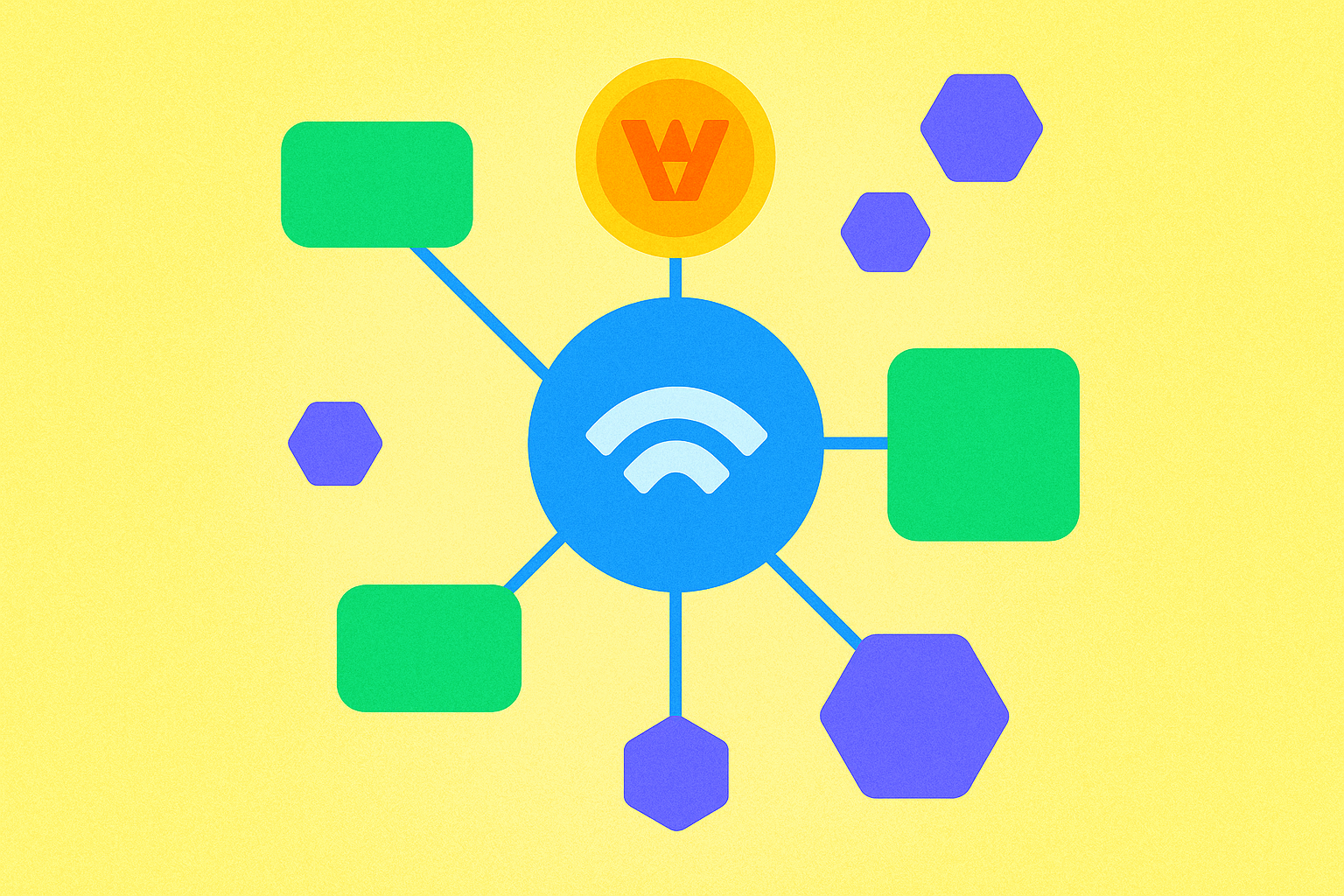
What Is WalletConnect (WCT)?
What Is WalletConnect?
WalletConnect is a groundbreaking open-source protocol that transforms the way users engage with decentralized applications (DApps). Unlike traditional methods that require browser extensions or manual wallet address sharing, WalletConnect lets you connect your crypto wallet to a DApp quickly and securely by simply scanning a QR code or clicking a deep link.
Initially developed to address fragmentation and vulnerabilities in DApp-to-wallet interactions, WalletConnect has grown into a robust protocol and a decentralized network serving millions of users and thousands of applications worldwide. The platform operates seamlessly across multiple blockchains, including Ethereum, Solana, Polkadot, Cosmos, and Bitcoin, establishing itself as a key standard for secure communication in the Web3 ecosystem.
How WalletConnect Works
At its core, WalletConnect serves as a sophisticated communication layer that allows wallets and DApps to interact while safeguarding sensitive information. The protocol initiates an encrypted session via QR code scan or deep link, removing the need to expose private keys.
After establishing the connection, users maintain complete control over their transactions, approving or rejecting them directly from their wallets. WalletConnect’s robust technical infrastructure ensures that only essential information is transmitted, maintaining a secure data flow.
The WalletConnect architecture consists of three main components:
Network: A decentralized system of nodes relays messages between your wallet and the connected application. Managed by various groups, these nodes ensure network decentralization and reliability, preventing single points of failure.
SDKs: Developers leverage WalletConnect’s Software Development Kits (SDKs) to integrate connection features into wallets and DApps. The SDKs abstract technical complexity, enabling developers to focus on creating an optimal user experience.
Standards: WalletConnect employs standardized protocols for sending and receiving messages, ensuring secure, seamless interaction between apps and wallets, regardless of their developer.
The WCT Token: What Does WCT Stand For?
WalletConnect features its native token, WCT, an ERC-20 asset with a total supply of 1 billion tokens. Launched on the Optimism network, WCT serves several strategic purposes within the WalletConnect ecosystem. Understanding WCT’s role is key to grasping how the protocol functions.
Governance: WCT holders have voting rights and can participate in decisions that shape the network’s future. This includes protocol upgrades, fee structure changes, and project strategy, ensuring development remains community-driven.
Staking: Users can stake their WCT tokens to help secure the network and earn rewards. Staking periods range from one week to two years, with higher incentives for longer commitments that reward loyalty and dedication.
Performance-Based Rewards: Node operators and wallet providers earn WCT rewards based on objective metrics like uptime, response latency, and the number of successful connections facilitated. This approach drives operational excellence across the network.
Future Fees: Although WalletConnect does not currently charge transaction fees, WCT is designed to serve as a payment method for future transaction fees, subject to community approval.
WCT in Community Distribution Programs
In April 2025, one of the world’s largest crypto trading platforms introduced WCT via its community distribution program. This milestone highlights the project’s significant recognition by a leading global platform.
Users who participated in the farming event by locking BNB, FDUSD, and USDC holdings became eligible for WCT rewards. The program allocated 40 million WCT, accounting for 4% of the total token supply, for community distribution.
After the farming period ended, WCT was listed for trading on exchanges as a newly launched token. The listing enabled trading against pairs such as USDT, USDC, BNB, FDUSD, and TRY, providing traders with liquidity and access.
Wallet Guide and Certification
The WalletConnect team created and oversees WalletGuide, a comprehensive review program that evaluates and certifies wallets meeting rigorous quality and security standards. This certification enhances trust in certified wallets among both users and developers, setting a benchmark for excellence across the ecosystem.
Certified wallets gain greater visibility and credibility, while users benefit from the assurance that these solutions have passed stringent audits and meet top industry standards.
Adoption and Growth
Since its launch, WalletConnect has seen exponential growth, becoming the de facto communication standard between wallets and DApps. Official project data shows WalletConnect has enabled over 240 million successful connections and serves more than 38 million unique wallets.
Adoption is further underscored by over 57,000 decentralized applications integrating the WalletConnect protocol. This extensive market penetration highlights the protocol’s practical utility, reliability, and interoperability in Web3, proving that WalletConnect is essential infrastructure for the decentralized ecosystem.
Funding and Development
The WalletConnect Foundation has secured $10 million in funding through multiple successful token sale rounds, demonstrating strong investor confidence in the project’s vision and execution.
Funds are strategically deployed to expand operations, grow the development team, and support ecosystem initiatives that benefit a broad range of stakeholders—including developers building apps, node operators maintaining infrastructure, and strategic partners extending the network’s reach and utility.
Conclusion
WalletConnect has evolved from a simple wallet-to-DApp connector into a comprehensive ecosystem featuring its own governance token, a robust incentive structure, and decentralized network infrastructure. Supporting multiple blockchains like Ethereum, Solana, Polkadot, Cosmos, and Bitcoin—and serving a rapidly growing user base in the tens of millions—WalletConnect enables secure, efficient, and reliable communication throughout the Web3 landscape. The project showcases how well-designed protocols can transform user–DApp interactions, making Web3 more accessible and secure for everyone.
Share
Content
How to Buy Cryptocurrency


Trending Cryptocurrencies



Blockchain Transaction Analysis Tool: A Comprehensive Explorer

Download and Set Up a Secure Cryptocurrency Wallet

Exploring MetaMask's Compatibility with Different Blockchain Networks
Exploring Account Abstraction: What EIP 4337 Brings to the Table

Ensuring the Safety of Your MetaMask Wallet
Top Ethereum Wallets for Maximum Security

What is Token Economics Model: Distribution Mechanisms, Inflation Design, and Governance Utility Explained

Is Your Crypto Safe in 2025? An Overview of Security, Risks, and Best Practices

2025 BEAM Price Prediction: Expert Analysis and Future Outlook for Beam Cryptocurrency

2025 RWA Price Prediction: Expert Analysis and Market Outlook for Real-World Asset Tokenization

2025 SUKU Price Prediction: Expert Analysis, Market Trends, and Potential Growth Opportunities for the Year Ahead