
Futures
Access hundreds of perpetual contracts
TradFi
Gold
One platform for global traditional assets
Options
Hot
Trade European-style vanilla options
Unified Account
Maximize your capital efficiency
Demo Trading
Introduction to Futures Trading
Learn the basics of futures trading
Futures Events
Join events to earn rewards
Demo Trading
Use virtual funds to practice risk-free trading
Launch
CandyDrop
Collect candies to earn airdrops
Launchpool
Quick staking, earn potential new tokens
HODLer Airdrop
Hold GT and get massive airdrops for free
Launchpad
Be early to the next big token project
Alpha Points
Trade on-chain assets and earn airdrops
Futures Points
Earn futures points and claim airdrop rewards


More

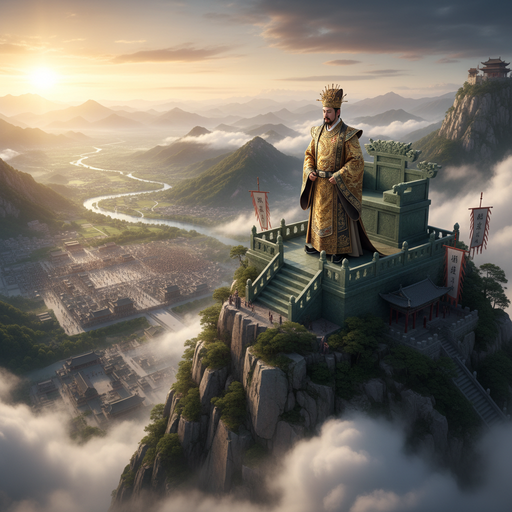



I’ve always been intrigued by the story of the Persians, you know? A people who literally shaped civilizations and still remain relevant on the global geopolitical stage today.
So let’s go. The Persians originate from the Iranian plateau and emerged around 1000 BC as an Indo-Iranian group. That’s no small feat — they created the Achaemenid Empire, one of the greatest empires of Antiquity. Cyrus the Great was the one who made it happen around 550 BC, unifying the Iranian tribes and starting a series of conquests that left a mark on history.
Now, what few realize is the name change that took place in 1935. For centuries, the West called the country Persia. But then Shah Reza Shah Pahlavi formally requested the world to use “Iran” — which basically means “land of the Aryans.” Name change, but the identity remains.
And today? The Persian people still constitute the dominant ethnic and cultural group in modern Iran. They speak Farsi and continue to be the backbone of Iranian society. It’s fascinating to see how a people so central to ancient history maintain this influence to this day. While many empires have disappeared, the Persians persisted — and now they’re once again challenging global power in a very different way than they did thousands of years ago.