
Futures
Access hundreds of perpetual contracts
TradFi
Gold
One platform for global traditional assets
Options
Hot
Trade European-style vanilla options
Unified Account
Maximize your capital efficiency
Demo Trading
Introduction to Futures Trading
Learn the basics of futures trading
Futures Events
Join events to earn rewards
Demo Trading
Use virtual funds to practice risk-free trading
Launch
CandyDrop
Collect candies to earn airdrops
Launchpool
Quick staking, earn potential new tokens
HODLer Airdrop
Hold GT and get massive airdrops for free
Launchpad
Be early to the next big token project
Alpha Points
Trade on-chain assets and earn airdrops
Futures Points
Earn futures points and claim airdrop rewards


More


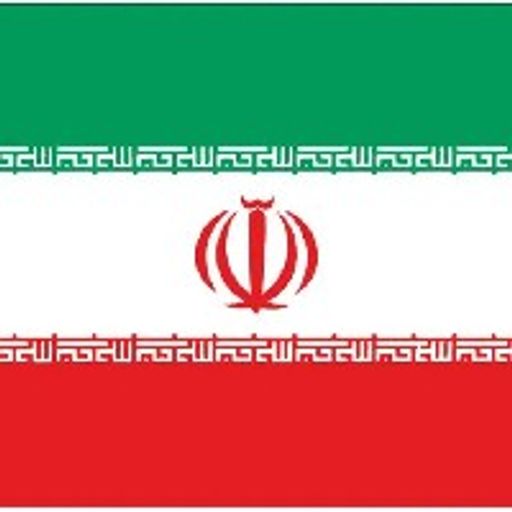

Ending The U.S. War Without A Deal Would Strengthen Iran: Reuters
(MENAFN- Khaama Press) ** A new Reuters analysis warns that if the United States ends its war with Iran without a clear agreement, Tehran could emerge stronger and gain greater leverage over energy flows in the Middle East.**
According to the report, such an outcome could leave Gulf Arab oil and gas producers facing the long-term consequences of a war they neither started nor fully controlled. Analysts cited by Reuters say Iran’s ability to survive weeks of U.S. and Israeli attacks has already changed regional calculations.
Trump has said the United States could end the war“relatively quickly,” and has suggested Washington may even conclude the conflict without a formal deal. But Reuters noted that ending the war without security guarantees or a durable settlement could leave neighboring states exposed to fresh instability and strategic pressure.
The report also highlights fears that Iran could use its position near the Strait of Hormuz to deepen influence over one of the world’s most important energy chokepoints. That would not necessarily mean direct control, but rather stronger coercive leverage over shipping, prices and regional political calculations.
For Gulf countries, the biggest concern is that the economic and security costs of the war may continue long after the fighting stops. If Iran exits the conflict politically hardened rather than strategically weakened, the regional balance could shift in ways that are costly for U.S. allies and global energy markets.
The Strait of Hormuz carries a major share of the world’s seaborne oil and gas shipments, making any disruption there a global concern. Even temporary instability in the waterway has repeatedly triggered oil price spikes, market volatility and broader economic anxiety.
The Reuters warning underscores that ending a war is not the same as securing peace. Without a negotiated framework or credible regional guarantees, a no-deal outcome could leave Iran more influential, the Gulf more vulnerable and the energy market more unstable.
MENAFN02042026000228011069ID1110933470