
Futures
Access hundreds of perpetual contracts
TradFi
Gold
One platform for global traditional assets
Options
Hot
Trade European-style vanilla options
Unified Account
Maximize your capital efficiency
Demo Trading
Introduction to Futures Trading
Learn the basics of futures trading
Futures Events
Join events to earn rewards
Demo Trading
Use virtual funds to practice risk-free trading
Launch
CandyDrop
Collect candies to earn airdrops
Launchpool
Quick staking, earn potential new tokens
HODLer Airdrop
Hold GT and get massive airdrops for free
Launchpad
Be early to the next big token project
Alpha Points
Trade on-chain assets and earn airdrops
Futures Points
Earn futures points and claim airdrop rewards


More


EU energy crisis warning signals prolonged disruption across Europe - Coinfea
The European Union is preparing for a prolonged energy crisis, with officials warning of sustained pressure on fuel supplies and prices
ContentsEnergy prices expected to stay elevatedEU prepares emergency response optionsRussian gas ban remains unchangedEnergy leaders in Brussels say the situation may worsen before improving. The bloc is assessing emergency measures while maintaining its stance on Russian energy imports.
Energy prices expected to stay elevated
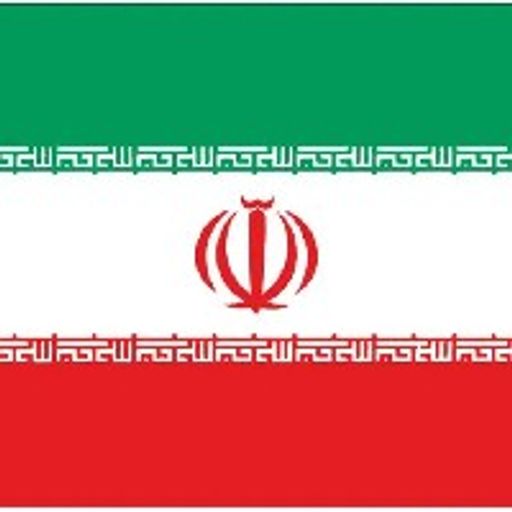
Dan Jørgensen has warned that fuel prices will remain high for an extended period. He links the outlook to ongoing instability in the Middle East. The crisis intensified after joint airstrikes by the United States and Israel on Iran.
Iran responded with strikes across the Persian Gulf, escalating tensions. The disruption led to the closure of the Strait of Hormuz, a key route for global energy shipments. This passage handles over 20 percent of oil and gas flows worldwide.
Oil prices surged past 100 dollars per barrel as supply fears spread. Damage to regional energy infrastructure added further uncertainty. European markets reacted sharply, reflecting concerns about long-term supply stability.
Jørgensen stated that the crisis is not yet a supply emergency. However, he stressed that the risks are increasing. He noted that governments must ensure access to essential resources in the coming months.
EU prepares emergency response options
Brussels is exploring several contingency plans to manage the situation. These include potential fuel rationing and further use of emergency reserves. Diesel and jet fuel are among the products under close review.
EU countries already released oil from reserves during a recent price surge. Officials may consider another release if market pressure continues. Jørgensen said preparedness remains a priority even without immediate shortages.
The Commission is also reviewing regulatory flexibility. Current rules on fuel standards remain unchanged for now. This includes limits on ethanol blending and fuel quality requirements.
Jørgensen indicated that policy changes could be introduced if conditions worsen. Any measures would be timed carefully and applied proportionately. The EU aims to balance market stability with environmental and regulatory standards.
Russian gas ban remains unchanged
Despite rising energy costs, the EU will not reverse its plan to phase out Russian gas. The bloc intends to replace these imports with supplies from the United States and other partners.
Russian liquefied natural gas shipments to Europe declined in 2025. The country ranked fourth among suppliers, behind Norway, the United States, and Algeria. The EU remains committed to reducing dependence on Moscow.
A full ban on Russian LNG imports is set for January 2027. Pipeline gas imports will end later that year. Some restrictions will begin earlier, targeting short-term contracts in 2026.
The policy reflects broader efforts to limit Russia’s energy revenues. EU officials believe this approach supports long-term security goals. At the same time, ongoing conflicts continue to strain global energy markets.
The evolving crisis in the Middle East adds new pressure on European energy systems. Combined with existing geopolitical tensions, it raises concerns about future supply reliability.