


Futures
Access hundreds of perpetual contracts
TradFi
Gold
One platform for global traditional assets
Options
Hot
Trade European-style vanilla options
Unified Account
Maximize your capital efficiency
Demo Trading
Introduction to Futures Trading
Learn the basics of futures trading
Futures Events
Join events to earn rewards
Demo Trading
Use virtual funds to practice risk-free trading
Launch
CandyDrop
Collect candies to earn airdrops
Launchpool
Quick staking, earn potential new tokens
HODLer Airdrop
Hold GT and get massive airdrops for free
Launchpad
Be early to the next big token project
Alpha Points
Trade on-chain assets and earn airdrops
Futures Points
Earn futures points and claim airdrop rewards


More





The Complete Guide to Collectables Investment: Building Wealth Through Rare Assets
Are you considering ways to expand your investment portfolio beyond traditional stocks and bonds? Collectables investment has emerged as a compelling strategy for those seeking both financial growth and tangible assets. From rare coins and fine art to vintage toys and classic automobiles, collectables represent a unique opportunity to merge financial returns with personal passion. Yet before you dive in, it’s important to understand both the substantial rewards and significant challenges that come with this alternative asset class.
Why Collectables Investment Attracts Serious Investors
The appeal of collectables investment lies in multiple compelling factors. Unlike stocks or bonds, collectables provide a physical connection to history and culture that many investors find deeply rewarding. The potential for appreciation can be striking—a rare first-edition comic book or limited-edition artwork might multiply in value as demand grows and supply remains finite. Beyond financial gains, collectables offer portfolio diversification, helping reduce your dependence on traditional financial markets.
Additionally, collectables often function as an effective hedge against inflation. While currency loses purchasing power, rare items tend to maintain or increase their value, preserving wealth across economic cycles. However, this investment path demands more than casual interest. Success requires genuine expertise, careful market analysis, and a realistic understanding of the challenges involved.
The Collectables Landscape: What You Can Invest In
The world of collectables encompasses far more diversity than many realize. Understanding the major categories helps you identify opportunities aligned with your interests and financial capacity:
Fine Art and Sculptures - Among the most prestigious collectables, artwork requires a keen eye for emerging talent and deep understanding of market trends. Pieces from renowned artists or specific historical periods command premium prices.
Sports Memorabilia - Signed jerseys, vintage baseball cards, and game-used equipment appeal to passionate collectors. Values depend heavily on athlete prominence and item rarity. Some collections appreciate dramatically over time.
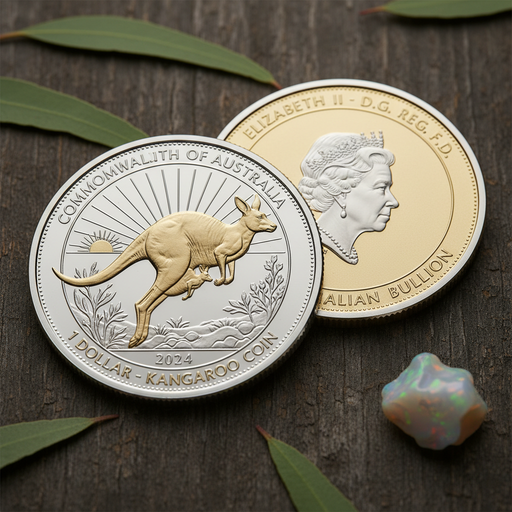
Rare Coins - Numismatics, the study and collection of coins, attracts investors globally. Historical coins with limited mintage and unusual characteristics often appreciate steadily.
Postage Stamps - Philately has maintained a dedicated collector base for generations. Rare stamps, especially those with printing errors or significant historical backgrounds, retain strong market values.
Vintage Toys and Action Figures - Collectible toys, particularly early editions in original packaging, appeal to multiple generations of collectors. Condition and completeness dramatically affect worth.
Fine Wine - Properly stored, premium wines can appreciate significantly with age. Temperature-controlled storage is essential, adding to overall investment costs.
Antique Furniture - Pieces from specific periods or crafted by renowned artisans fetch substantial auction prices. Both aesthetic and financial value matter.
Comic Books - First editions and issues featuring character debuts command high prices. Condition grading significantly impacts valuation.
Luxury Watches - Brands like Rolex and Patek Philippe maintain or increase value over time, especially for limited-edition models.
Classic Automobiles - High-value collectables requiring significant capital and ongoing maintenance. Well-preserved vehicles can deliver substantial returns.
The Investment Process: From Research to Purchase
Successfully navigating collectables investment requires a structured approach. Here’s how experienced investors typically proceed:
Step One: Comprehensive Market Research
Begin by studying the history and significance of items that interest you. Books, online forums, and auction catalogs provide valuable information. Attending auctions, visiting museums, and networking with established collectors offers insights into pricing trends and market dynamics. Understanding what drives value—rarity, condition, provenance, historical context—enables better purchasing decisions.
Step Two: Verifying Authenticity and Condition
This step cannot be overstated. A replica or damaged item can lose 70-90% of expected value. Always seek items accompanied by certificates of authenticity. Professional grading services provide standardized condition assessments for coins, stamps, and trading cards, establishing fair market values. When purchasing high-value collectables, work exclusively with reputable dealers or established auction houses to avoid counterfeits and ensure fair pricing.
Step Three: Strategic Buying and Selling
Auctions—both live and online—remain primary venues for quality collectables. Online platforms like eBay offer accessibility, though verification of authenticity becomes crucial. Timing the market poses challenges, as collectables values fluctuate based on trends and supply-demand dynamics. Some investors hold for long-term appreciation, while others engage in short-term trading to capitalize on market movements.
Evaluating Risk: Honest Assessment of Collectables Investment
Before committing capital, consider the realistic drawbacks:
Market Volatility - Collectables values can swing dramatically based on shifting trends and collector sentiment. Predicting future returns proves difficult.
Limited Liquidity - Selling collectables requires time and effort. Finding qualified buyers willing to pay your target price may take months or longer.
Ownership Costs - Many collectables demand special storage conditions, insurance, and maintenance, adding substantially to total investment costs.
Expertise Requirements - Successful collectables investment demands deep market knowledge that newer investors often lack. This knowledge barrier represents a real challenge.
The Upside: Why Serious Investors Pursue Collectables
Despite challenges, collectables investment offers genuine advantages:
Exceptional Appreciation Potential - Collectables can appreciate far beyond traditional investment returns, sometimes delivering multiples of original purchase prices.
Tangible Ownership - Unlike digital assets, you physically possess and can enjoy your collectables while building wealth.
True Diversification - Adding collectables reduces portfolio concentration in financial markets, protecting against broader economic downturns.
Inflation Protection - Collectables historically maintain purchasing power when currency weakens, serving as wealth preservation vehicles.
Charting Your Collectables Investment Course
Collectables investment represents a compelling intersection of financial opportunity and personal satisfaction. The market’s complexity demands thorough research, but potential returns and diversification benefits make it attractive for committed investors. Items like rare coins, fine art, and classic cars hold both monetary worth and cultural significance.
Success requires honest self-assessment: Do you have capital available for long-term holding? Can you afford storage and maintenance costs? Are you willing to develop genuine expertise in your chosen collectables category? If these questions yield affirmative answers, collectables investment might significantly enhance your overall wealth-building strategy.
For complex investment decisions involving alternative assets like collectables, consider consulting with qualified financial professionals who can assess your specific situation, risk tolerance, and financial objectives. Taking time to understand both rewards and risks ensures that your collectables investment decisions align with your broader financial goals.