

Trade
Basic
Futures
Futures
Hundreds of contracts settled in USDT or BTC
TradFi
Gold
Trade global traditional assets with USDT in one place
Options
Hot
Trade European-style vanilla options
Unified Account
Maximize your capital efficiency
Demo Trading
Futures Kickoff
Get prepared for your futures trading
Futures Events
Participate in events to win generous rewards
Demo Trading
Use virtual funds to experience risk-free trading
Earn
Launch
CandyDrop
Collect candies to earn airdrops
Launchpool
Quick staking, earn potential new tokens
HODLer Airdrop
Hold GT and get massive airdrops for free
Launchpad
Be early to the next big token project
Alpha Points
Trade on-chain assets and enjoy airdrop rewards!
Futures Points
Earn futures points and claim airdrop rewards
Investment
Simple Earn
Earn interests with idle tokens
Auto-Invest
Auto-invest on a regular basis
Dual Investment
Buy low and sell high to take profits from price fluctuations
Soft Staking
Earn rewards with flexible staking
Crypto Loan
0 Fees
Pledge one crypto to borrow another
Lending Center
One-stop lending hub
VIP Wealth Hub
Customized wealth management empowers your assets growth
Private Wealth Management
Customized asset management to grow your digital assets
Quant Fund
Top asset management team helps you profit without hassle
Staking
Stake cryptos to earn in PoS products
Smart Leverage
New
No forced liquidation before maturity, worry-free leveraged gains
GUSD Minting
Use USDT/USDC to mint GUSD for treasury-level yields

More






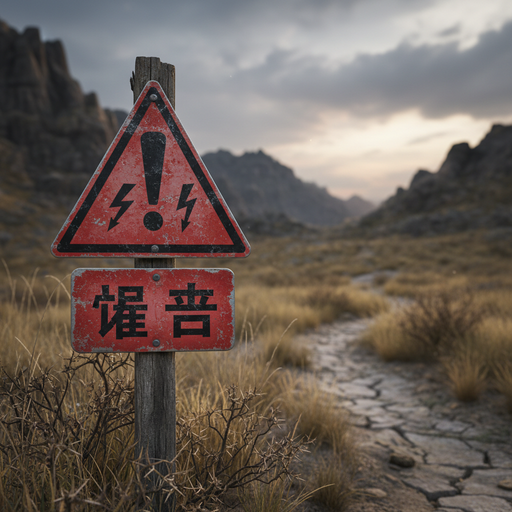
Russia's economy hits a dead end: Crisis or rebirth?
The numbers no longer add up. To better understand the current situation, we must acknowledge the harsh reality that the Russian economy is facing a dead end. Over the past two years, the Kremlin has taken subtle measures to maintain stability, but those tactics are now losing effectiveness. This is not a sudden collapse but a gradual decline.
Why is the Kremlin powerless in the face of a financial dead end?
When a country shifts its entire economy into wartime mode, the impacts become evident in many areas. Although GDP on paper still appears stable, the country is actually depleting its past reserves.
Interest rate pressures are pushing the economy into a dead end. The Russian Central Bank has raised interest rates to 16% or higher—making it nearly impossible to start new businesses or buy homes. The labor market has also collapsed due to prolonged war and population migration. Factories are operating at limited capacity due to severe labor shortages.
Military spending accounts for 40% of the national budget—funds directly diverted from education, healthcare, and public works. Inflation is rising as the government prints money for weapons, but everyday food supplies are becoming increasingly scarce. This is an unsolvable equation in the current dead-end situation.
The path out of the dead end: Real industrial opportunities
However, these limitations also create unexpected opportunities. The isolation from Western markets has spurred a massive domestic industrial revolution. Thousands of small and medium-sized enterprises are emerging to fill the gaps left by foreign companies. This could be the way for Russia to break through the current dead end.
Shifting focus to Asian countries—especially in the East—is driving the construction of enormous infrastructure: pipelines, railways, new ports. These projects will connect Russia with the fastest-growing economies of the 21st century. It’s an attractive way to build an economy that doesn’t depend on Europe.
Additionally, labor shortages are pushing wages higher for ordinary workers. If managed well, this could create a new middle class with strong domestic purchasing power—an essential factor in building a self-sufficient economy.
A solid foundation amid the storm
While the financial dead end is real, Russia also possesses some less-noticed strengths. Unlike many Western countries burdened by enormous public debt, Russia’s debt-to-GDP ratio remains low. This creates a cleaner balance sheet—a valuable asset for economic recovery.
The Central Bank’s willingness to raise interest rates, though challenging, demonstrates a commitment to protecting the currency. Russia is also accelerating digital transformation and developing alternative payment systems that could make its economy resilient to external financial shocks.
In terms of human resources, Russians have a long-standing tradition of perseverance and adaptability. The country’s focus on military technology—though unintentional—is training a generation of excellent engineers and programmers. When conflicts end, this talent can be redirected toward civilian technologies: medical devices, green energy, aerospace.
The outcome: From dead end to new beginning
A dead end doesn’t necessarily mean death. It can be a turning point. If Russia succeeds in transforming its wartime production momentum into civilian manufacturing, it could become a self-sufficient economic power—very different from being merely an energy supplier for Europe.
If the conflict reaches a frozen state or a diplomatic solution is reached soon, Russia could convert its enormous industrial capacity into dual-use technologies—aviation, heavy machinery, transportation. Using oil profits to build infrastructure instead of just producing weapons could help the country escape the dead end and become stronger—albeit in a different way.