


Understanding Web 3.0: A Comprehensive Guide

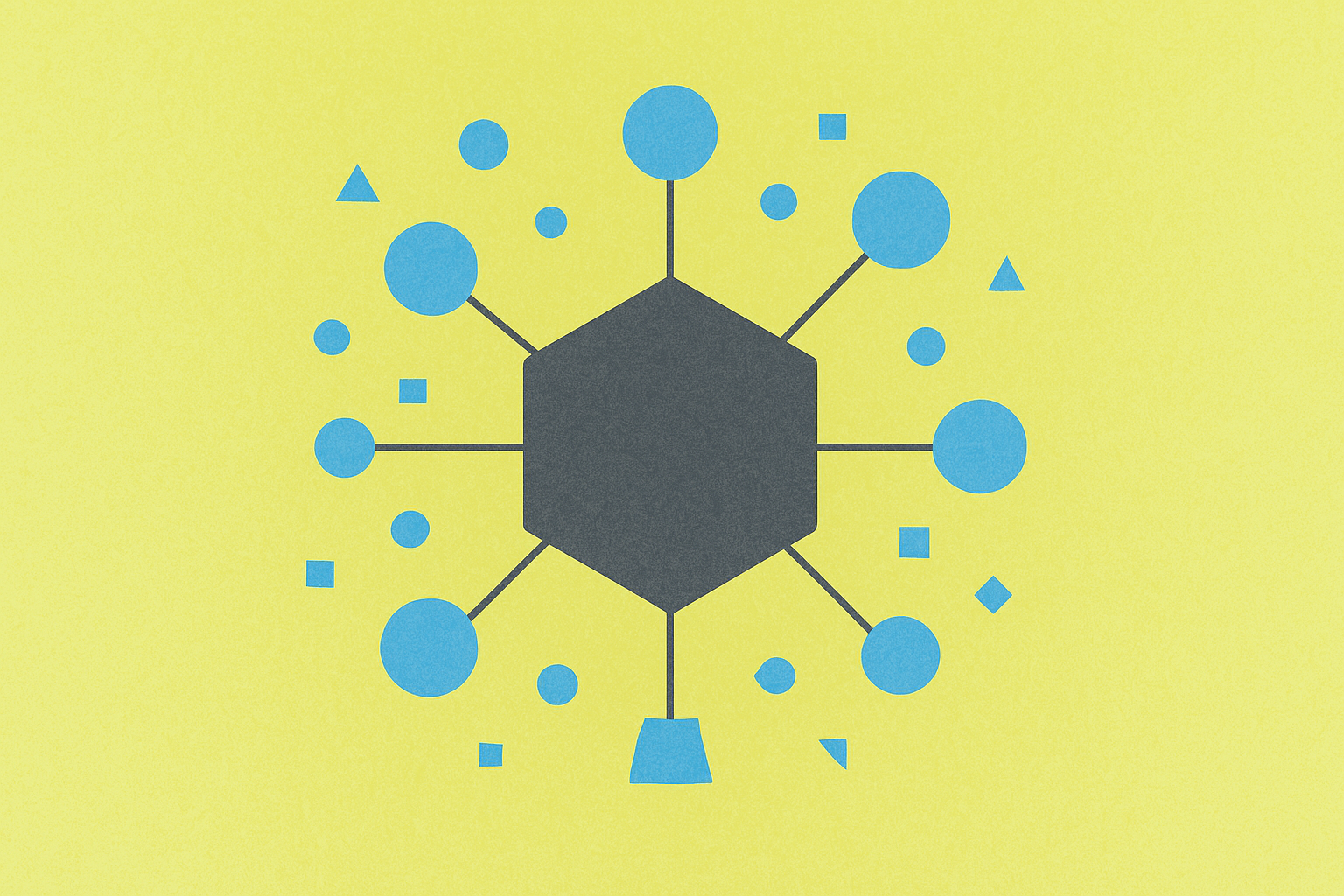
Web3, also known as the decentralized web
Web3 represents a transformative vision for the internet's future, emphasizing decentralization, user empowerment, and blockchain technology. Unlike traditional web systems that rely on centralized authorities, Web3 utilizes distributed networks of computers to validate and verify information, creating a more secure, transparent, and inclusive digital ecosystem.
The History of the Internet
The evolution of the internet can be understood through three distinct phases. Web 1.0, emerging in the late 1980s, consisted of static HTML pages that users could only read and browse—a one-way communication model where content creators broadcast information to passive consumers. This "read-only web" laid the foundation but offered limited interaction.
The early 2000s ushered in Web 2.0, the "read-write web," which revolutionized digital interaction through collaborative platforms and service-based applications. Social media, streaming services, and ride-sharing apps enabled unprecedented global connectivity and meaningful human interaction. However, this connectivity came at a cost: centralized platforms like Facebook, Google, and Amazon gained extensive access to user data, creating an advertising-driven economy where corporations profited from user information without adequately compensating the data generators.
Web 3.0 represents the next evolutionary phase—the "read, write, and trust web." This paradigm aims to democratize the internet through peer-to-peer transactions, user-controlled data, enhanced privacy, and fair monetization. By leveraging blockchain technology, machine learning, and IoT advancements, Web 3.0 seeks to create an interconnected, intelligent internet that serves everyone's interests rather than concentrating power in corporate hands.
Understanding Web 3.0: What is Web 3.0?
Web 3.0, often referred to as the semantic web or decentralized web, is fundamentally different from its predecessors. So what is Web 3.0 exactly? It's an internet architecture that reimagines data management through decentralized structures. Instead of centralized servers, information is distributed across networks of computers, each serving specific roles as nodes, verifiers, developers, or participants. This distribution ensures equal access to information while maintaining transparency through secure time-stamping and immutability.
Security and privacy are enhanced through advanced cryptography in Web 3.0. Encrypted data requires specific keys for access, and secure digital identities—anonymous, fully encrypted, and cross-platform—protect user privacy. Advertising becomes consent-based, allowing users to control their exposure. Blockchain technology eliminates single points of failure, as breaching the system would require simultaneously accessing numerous nodes—a prohibitively difficult and expensive undertaking.
Governance transforms through smart contracts—self-executing agreements with mutually agreed-upon conditions coded into the blockchain. These open-source contracts automatically execute when predefined conditions are met, eliminating intermediaries and reducing monitoring costs. For example, IoT-enabled sensors can verify asset movement in supply chains, while international service transactions can be settled automatically based on contractual milestones.
Economic models in Web 3.0 create sustainable, scalable systems by removing barriers between users and service providers. Decentralized finance (DeFi) enables lending, borrowing, and staking without traditional banking infrastructure or geographical limitations. Network participants are incentivized through economic rewards and penalties to maintain honest behavior. Non-fungible tokens (NFTs) protect intellectual property while democratizing participation in digital asset markets. Individual user contributions gain tangible value, incentivizing network participation and creating business models impossible under centralized systems.
Advantages of Web 3.0
Understanding what is Web 3.0 helps clarify why it offers numerous compelling benefits. Increased security stems from eliminating single points of control, making systems less vulnerable to hacks and cyberattacks—particularly valuable for sensitive information storage and sharing. Greater transparency allows all users to access identical information, facilitating data accuracy verification and increasing trust in online transactions.
Enhanced privacy through encryption provides superior protection compared to traditional web systems, safeguarding personal information. Inclusivity is promoted through decentralized systems that enable participation regardless of location or resources, creating more equitable online environments. Improved scalability leverages distributed networks to potentially handle larger transaction volumes than centralized systems.
Criticisms of Web3
Despite its advantages, Web 3.0 faces legitimate criticisms. Complexity in setup and usage may limit accessibility for average users, hindering widespread adoption. Some decentralized systems offer limited functionality compared to traditional platforms, potentially reducing their usefulness and appeal.
The lack of centralized control means decentralized systems may escape traditional regulatory frameworks, creating uncertainty and potential risks. Performance issues can arise from added complexity and network reliance, resulting in slower speeds than centralized alternatives. Limited awareness among internet users about decentralized systems and their benefits further restricts adoption.
Tools To Use Web 3.0
Several tools facilitate Web 3.0 access and interaction. Web3 browsers like Brave, MetaMask, and Cipher are specifically designed for decentralized applications. Decentralized exchange platforms enable cryptocurrency trading without central authorities, offering users peer-to-peer trading capabilities.
Decentralized storage solutions like IPFS and Storj distribute data across computer networks for validation and security. Identity solutions including uPort and Civic allow secure, decentralized digital identity management. Smart contract platforms like Ethereum and EOS enable self-executing contract creation and execution using blockchain technology.
Key Web 3.0 Challenges
Web 3.0 confronts several significant challenges. Scalability issues arise when decentralized systems struggle with high transaction volumes, causing performance degradation. User experience complexity can confuse average users, hindering adoption.
Regulatory uncertainty exists due to decentralized systems operating outside traditional frameworks, creating potential risks. Integration difficulties with traditional web systems may limit Web 3.0's potential impact and adoption rates.
The Future of the Internet and Web 3.0
When considering what is Web 3.0 and its trajectory, the internet's future appears increasingly decentralized. Blockchain technology, peer-to-peer networks, and decentralized applications continue advancing, enhancing security, transparency, and inclusivity. Greater integration with the physical world expands as smart homes, autonomous vehicles, and industrial machinery connect online.
Artificial intelligence plays increasingly important roles in improving efficiency, accuracy, and personalization across online services. Privacy emphasis continues growing as users become more aware of data risks, driving adoption of encryption and privacy-enhancing technologies. Continued globalization further connects worldwide communities.
Conclusion
Web 3.0 represents a fundamental reimagining of the internet, moving from centralized control to distributed systems that prioritize user empowerment, privacy, and fair value distribution. Understanding what is Web 3.0 is essential for anyone looking to participate in the internet's evolution. While many Web 3.0 aspects—including DeFi protocols, blockchain domains, and decentralized browsers—exist today, full realization requires ongoing development as major building blocks fall into place. The transition from Web 2.0 to Web 3.0 mirrors previous internet evolutions, requiring patience and sustained innovation. However, users can already experience Web 3.0 technologies and participate in this paradigm shift, positioning themselves at the forefront of internet evolution. As blockchain technology, machine learning, and IoT continue advancing, Web 3.0's vision of a more democratic, secure, and inclusive internet becomes increasingly achievable, promising to reshape how we interact, transact, and share value online.
FAQ
What is Web3?
Web3 is a new way to use the internet, emphasizing decentralized technologies and user control over personal data, without sacrificing privacy or valuable information.
Share
Content
How to Buy Cryptocurrency


Trending Cryptocurrencies



XZXX: A Comprehensive Guide to the BRC-20 Meme Token in 2025
Bitcoin Fear and Greed Index: Market Sentiment Analysis for 2025

Top Crypto ETFs to Watch in 2025: Navigating the Digital Asset Boom

5 ways to get Bitcoin for free in 2025: Newbie Guide

Bitcoin Market Cap in 2025: Analysis and Trends for Investors

2025 Bitcoin Price Prediction: Trump's Tariffs' Impact on BTC
How does Federal Reserve policy and inflation impact crypto prices in 2025?
How Much Will TIBBIR Price Be in 2025: Historical Trends, Support and Resistance Levels, and Volatility Analysis

From the GENIUS Act to New FDIC Rules: The Era of Bank-Issued Stablecoins in the U.S. Is Approaching
How Does On-Chain Data Analysis Reveal Stable Blockchain's 24,000+ Active Addresses and USDT Transaction Trends?
Bitcoin and Ethereum ETF Outflows: What Investors Need to Know About Market Shifts in 2024
