





 :
:
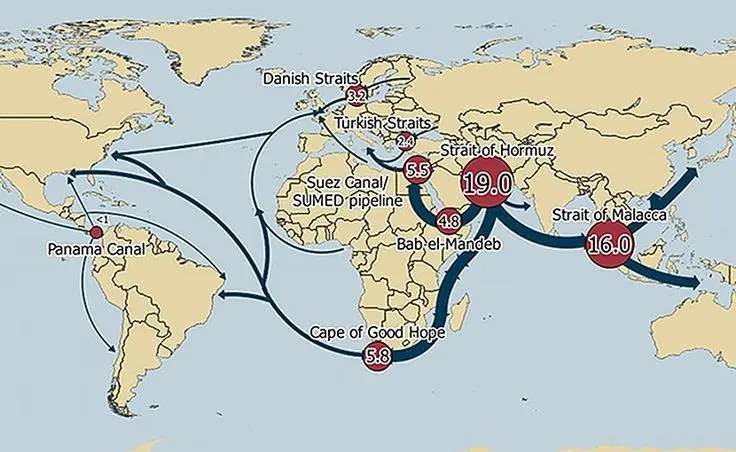
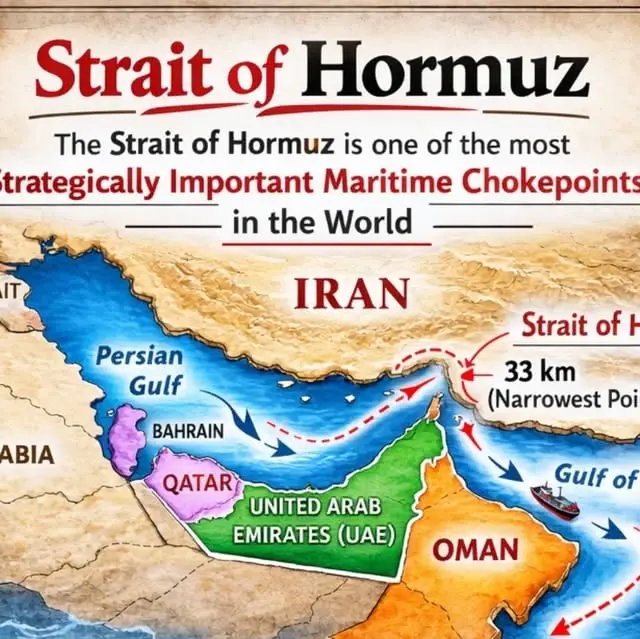
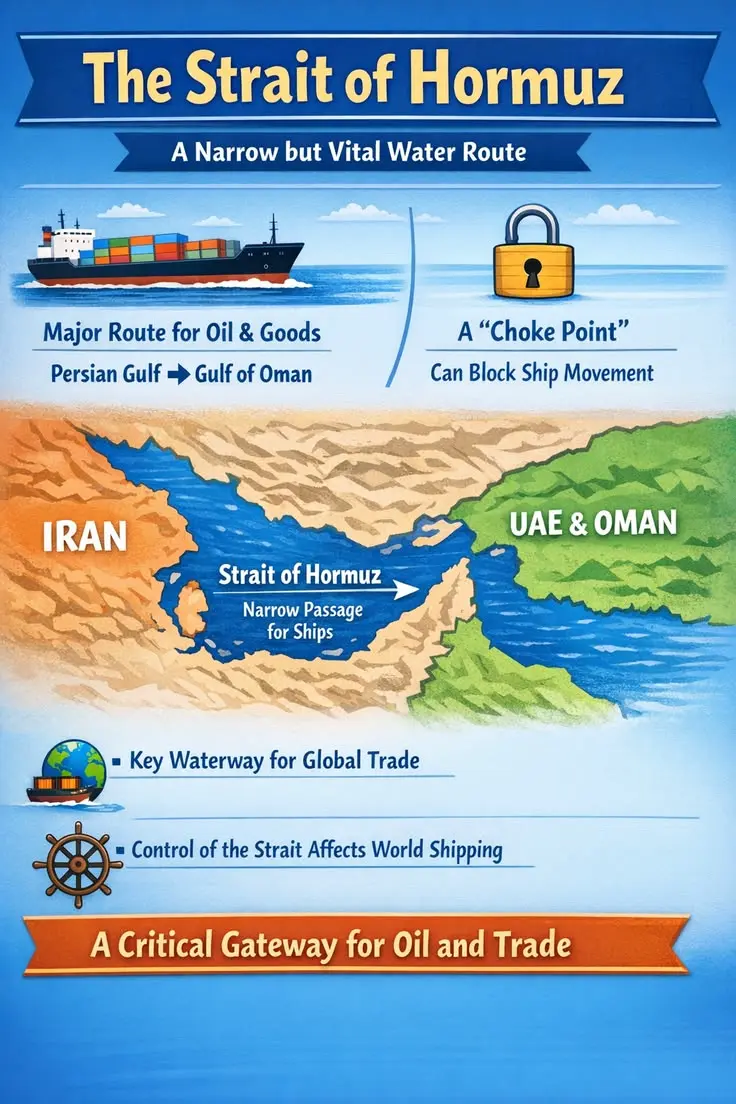
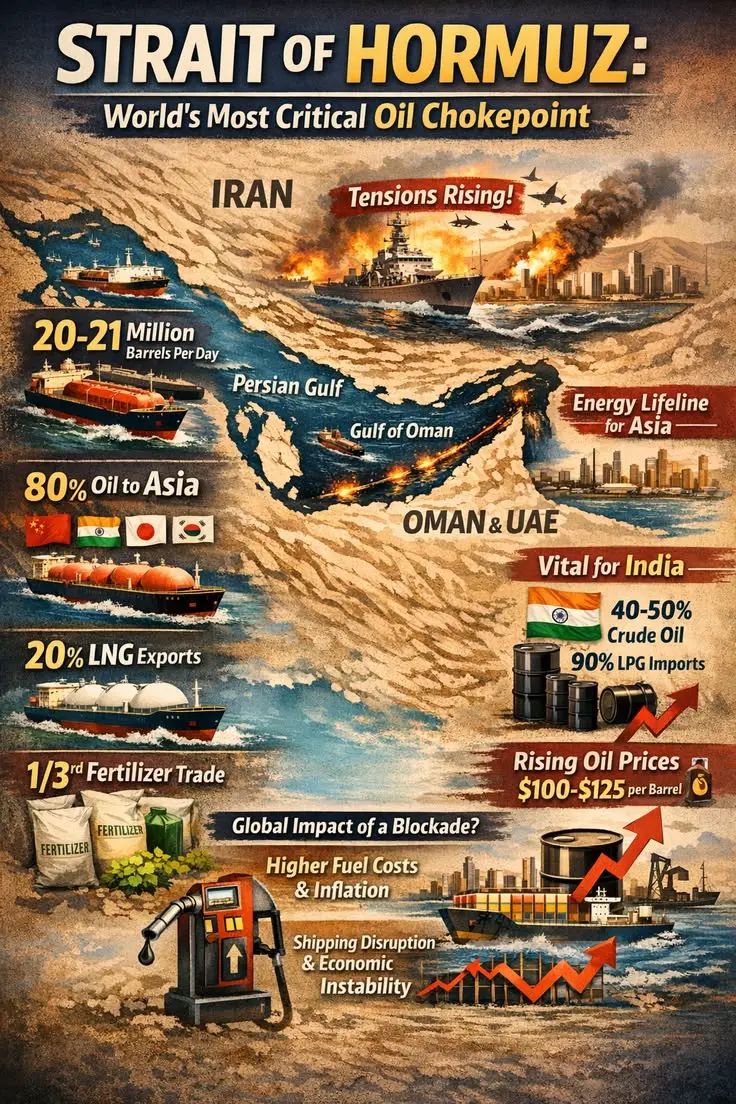
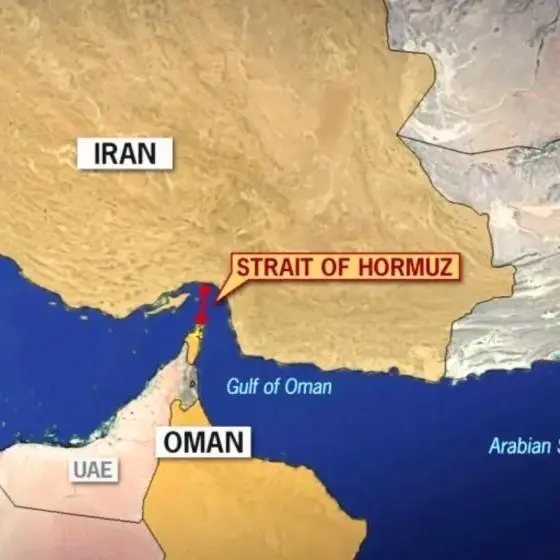
Middle Eastern geopolitics is shaped by strategic bottlenecks in terms of energy supply security and the continuity of global trade. In this context, the Strait of Hormuz is a critical transit point not only regionally but also globally. This narrow waterway, located between the Persian Gulf and the Arabian Sea, is one of the main arteries through which a significant portion of the world's oil trade is carried, and is vital for the economic sustainability of exporting countries such as Saudi Arabia, the United Arab Emirates, Kuwait, Iraq, and Qatar.
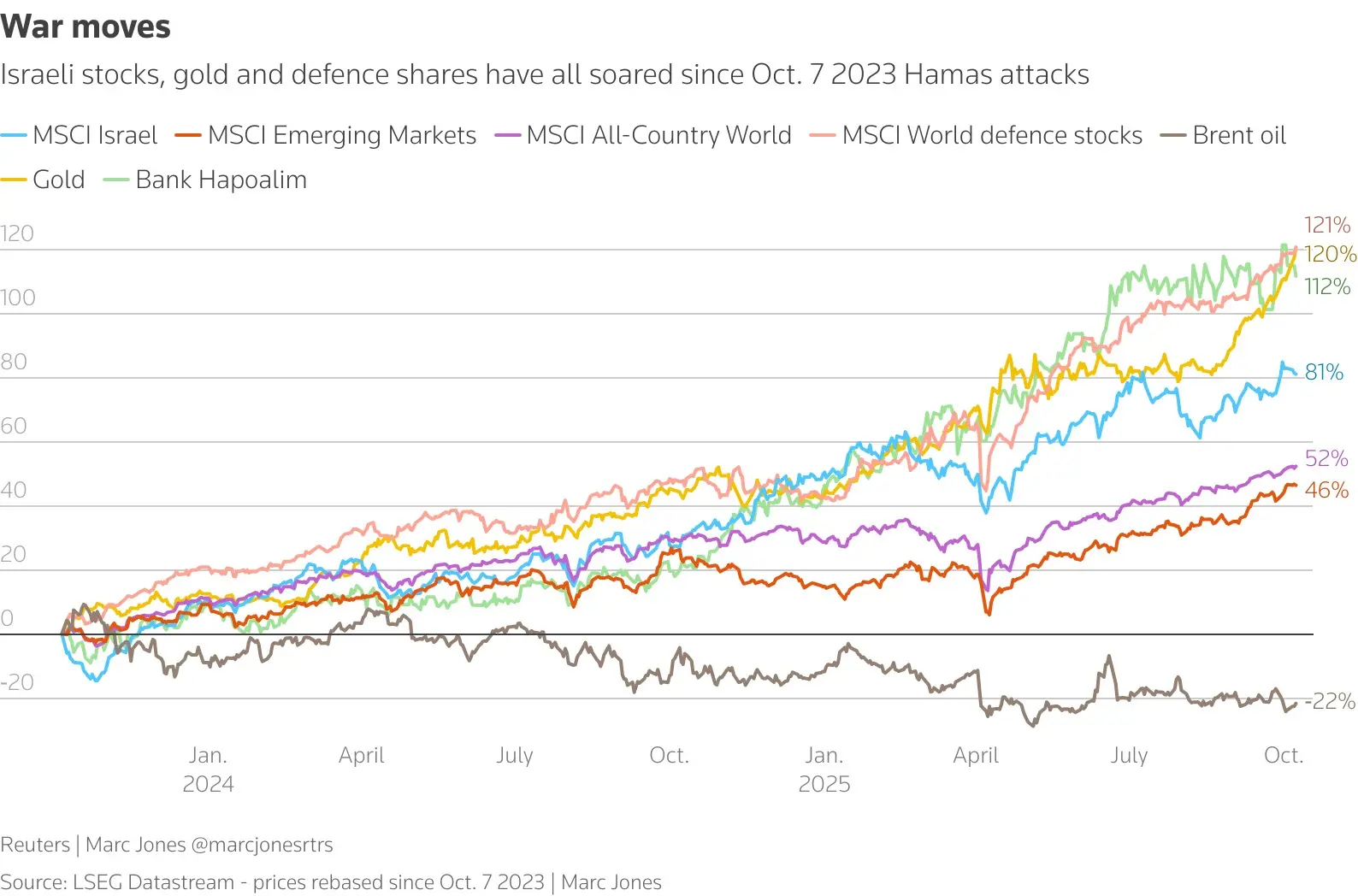
In the event of increased geopolitical tensions in the region, the possibility of disruptions to shipments through the Strait of Hormuz directly causes price shocks in global energy markets. Given the economic structures of these countries, which are largely dependent on hydrocarbon revenues, disruptions to shipments not only result in short-term revenue loss but also put pressure on budget balances, public spending, and social stability. In these economies, where oil and natural gas export revenues play a central role in public finances, the continuity of trade flows is a fundamental determinant of macroeconomic stability.
While rising energy prices during periods of heightened geopolitical risk may initially appear as a revenue boost for exporting countries, the sustainability of this is limited. High prices can suppress global demand, potentially offsetting or even reducing revenues in the medium term. Furthermore, increased cost pressures for energy importing countries slow global economic growth and indirectly negatively impact the revenues of exporting countries. This interdependence demonstrates that keeping the Strait of Hormuz open is not only a regional but also a global economic necessity.
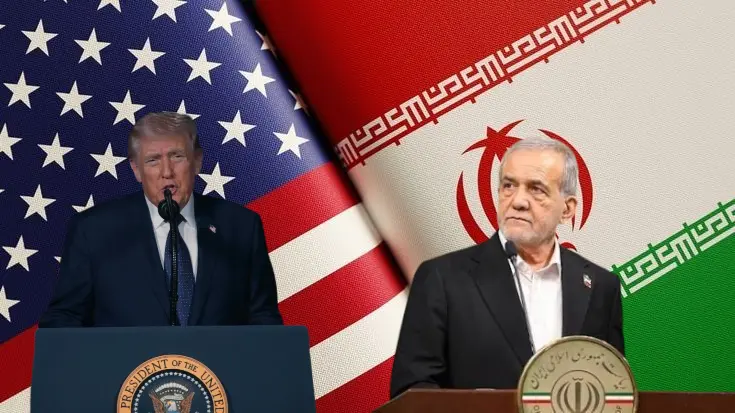
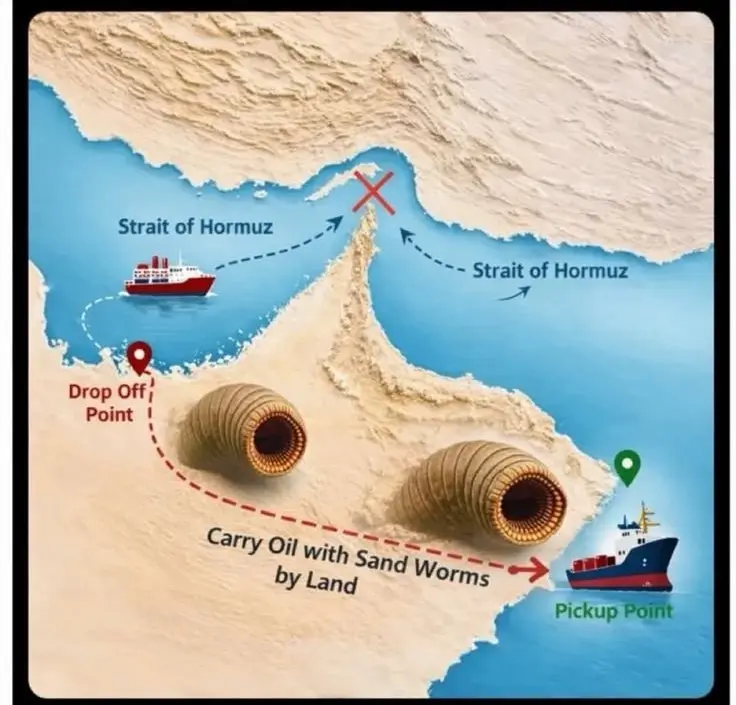
Alternative shipping routes and pipeline projects aim to mitigate these risks. However, the capacity of the existing infrastructure is not sufficient to completely replace the volume of trade passing through the Strait of Hormuz. Therefore, the security of the strait remains a strategic priority for both regional countries and global powers. The military and diplomatic presence of external actors, primarily the United States, in the region reflects an effort to create a security architecture aimed at keeping this critical transit point open. Similarly, Iran, due to its geographical location, is at the center of this equation and gains significant strategic leverage through its influence over the strait.
From the perspective of regional economies, dependence on the Strait of Hormuz makes the need for economic diversification more visible. Developing non-oil sectors, strengthening logistics infrastructure, and creating alternative trade corridors are critical for long-term economic resilience. The economic transformation programs implemented by the Gulf countries in recent years stand out as strategic steps to reduce this vulnerability.
In conclusion, keeping the Strait of Hormuz open is a decisive factor not only for the continuity of energy trade but also for regional stability and global economic balance. In an environment of increasing geopolitical tensions, the security of this transit point is at the center of multifaceted political, military, and economic interactions, generating risks and opportunities at different levels for the countries in the region. Therefore, this process should be evaluated not only in terms of short-term price movements but also within the framework of long-term structural transformations and strategic alignment efforts.
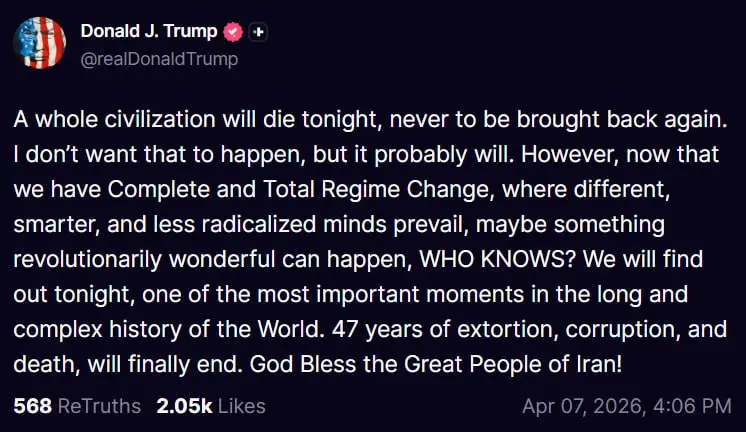
#TrumpIssuesUltimatum
#特朗普再下最后通牒
$XTIUSD $XBRUSD
#CreatorLeaderboard #GateSquareAprilPostingChallenge
In the event of increased geopolitical tensions in the region, the possibility of disruptions to shipments through the Strait of Hormuz directly causes price shocks in global energy markets. Given the economic structures of these countries, which are largely dependent on hydrocarbon revenues, disruptions to shipments not only result in short-term revenue loss but also put pressure on budget balances, public spending, and social stability. In these economies, where oil and natural gas export revenues play a central role in public finances, the continuity of trade flows is a fundamental determinant of macroeconomic stability.
While rising energy prices during periods of heightened geopolitical risk may initially appear as a revenue boost for exporting countries, the sustainability of this is limited. High prices can suppress global demand, potentially offsetting or even reducing revenues in the medium term. Furthermore, increased cost pressures for energy importing countries slow global economic growth and indirectly negatively impact the revenues of exporting countries. This interdependence demonstrates that keeping the Strait of Hormuz open is not only a regional but also a global economic necessity.
Alternative shipping routes and pipeline projects aim to mitigate these risks. However, the capacity of the existing infrastructure is not sufficient to completely replace the volume of trade passing through the Strait of Hormuz. Therefore, the security of the strait remains a strategic priority for both regional countries and global powers. The military and diplomatic presence of external actors, primarily the United States, in the region reflects an effort to create a security architecture aimed at keeping this critical transit point open. Similarly, Iran, due to its geographical location, is at the center of this equation and gains significant strategic leverage through its influence over the strait.
From the perspective of regional economies, dependence on the Strait of Hormuz makes the need for economic diversification more visible. Developing non-oil sectors, strengthening logistics infrastructure, and creating alternative trade corridors are critical for long-term economic resilience. The economic transformation programs implemented by the Gulf countries in recent years stand out as strategic steps to reduce this vulnerability.
In conclusion, keeping the Strait of Hormuz open is a decisive factor not only for the continuity of energy trade but also for regional stability and global economic balance. In an environment of increasing geopolitical tensions, the security of this transit point is at the center of multifaceted political, military, and economic interactions, generating risks and opportunities at different levels for the countries in the region. Therefore, this process should be evaluated not only in terms of short-term price movements but also within the framework of long-term structural transformations and strategic alignment efforts.
#TrumpIssuesUltimatum
#特朗普再下最后通牒
$XTIUSD $XBRUSD
#CreatorLeaderboard #GateSquareAprilPostingChallenge
 :
: