
Futures
Access hundreds of perpetual contracts
TradFi
Gold
One platform for global traditional assets
Options
Hot
Trade European-style vanilla options
Unified Account
Maximize your capital efficiency
Demo Trading
Introduction to Futures Trading
Learn the basics of futures trading
Futures Events
Join events to earn rewards
Demo Trading
Use virtual funds to practice risk-free trading
Launch
CandyDrop
Collect candies to earn airdrops
Launchpool
Quick staking, earn potential new tokens
HODLer Airdrop
Hold GT and get massive airdrops for free
Launchpad
Be early to the next big token project
Alpha Points
Trade on-chain assets and earn airdrops
Futures Points
Earn futures points and claim airdrop rewards


More



#OilPricesRise
Oil Surge, Geopolitics, and What It Means for Crypto
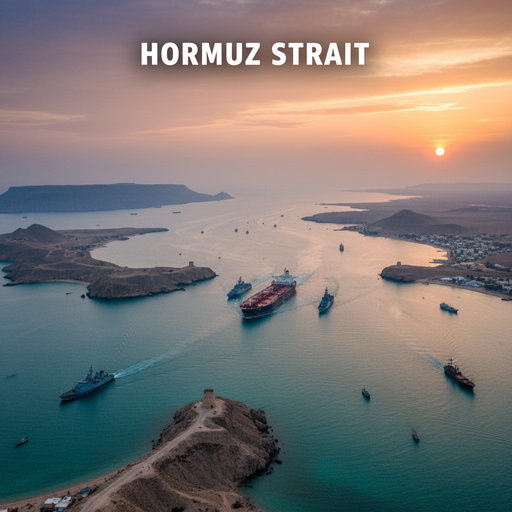
Oil is now trading above $110 per barrel, and there’s little sign of the market cooling down. Escalating tensions between the US, Israel, and Iran have severely disrupted global supply expectations, with renewed threats targeting Iranian energy infrastructure and the critical Strait of Hormuz.
Brent crude is holding around $110, while WTI has pushed past $113. Over the past month, crude has surged more than 17%, and is now up over 80% year-over-year — a move that reflects not just supply concerns, but deep geopolitical risk being priced in.
OPEC+ has attempted to respond, announcing a production increase of 206,000 barrels per day starting in May. However, markets are viewing this as insufficient given the scale of potential disruption. When a key global chokepoint like the Strait of Hormuz is under threat, marginal supply increases offer little reassurance.
The global impact is already visible. Countries like South Africa are cutting fuel levies to ease domestic pressure, while Senegal is implementing spending controls as energy costs strain national budgets. Inflation risks are rising across emerging markets, and energy-intensive industries are beginning to pass higher costs downstream.
For crypto, this creates a complex setup.
On one side, rising energy prices fuel inflation expectations, which can weaken real yields and support assets like Bitcoin in the medium term. On the other, war-driven uncertainty typically triggers a short-term flight to safety, putting pressure on risk assets.
The key question now:
If tensions escalate further around the Strait of Hormuz, will Bitcoin behave like digital gold — or trade like a high-risk asset?
The answer may define the next phase of the market.