

Trade
Basic
Futures
Futures
Hundreds of contracts settled in USDT or BTC
TradFi
Gold
Trade global traditional assets with USDT in one place
Options
Hot
Trade European-style vanilla options
Unified Account
Maximize your capital efficiency
Demo Trading
Futures Kickoff
Get prepared for your futures trading
Futures Events
Participate in events to win generous rewards
Demo Trading
Use virtual funds to experience risk-free trading
Earn
Launch
CandyDrop
Collect candies to earn airdrops
Launchpool
Quick staking, earn potential new tokens
HODLer Airdrop
Hold GT and get massive airdrops for free
Launchpad
Be early to the next big token project
Alpha Points
Trade on-chain assets and enjoy airdrop rewards!
Futures Points
Earn futures points and claim airdrop rewards
Investment
Simple Earn
Earn interests with idle tokens
Auto-Invest
Auto-invest on a regular basis
Dual Investment
Buy low and sell high to take profits from price fluctuations
Soft Staking
Earn rewards with flexible staking
Crypto Loan
0 Fees
Pledge one crypto to borrow another
Lending Center
One-stop lending hub
VIP Wealth Hub
Customized wealth management empowers your assets growth
Private Wealth Management
Customized asset management to grow your digital assets
Quant Fund
Top asset management team helps you profit without hassle
Staking
Stake cryptos to earn in PoS products
Smart Leverage
New
No forced liquidation before maturity, worry-free leveraged gains
GUSD Minting
Use USDT/USDC to mint GUSD for treasury-level yields

More


Trending Topics
View More50.85K Popularity
47.54K Popularity
18.7K Popularity
44.41K Popularity
253.84K Popularity




Pin
A Complete Collapse! US Stocks – Gold – Silver – Bitcoin All Plunge: How Long Will This “Black Swan” Last?
Friday the 13th
With only four trading days left before the 2026 Lunar New Year, the global financial markets experienced a true “Black Friday.”
The Nasdaq fell nearly 3%, gold and silver – two traditional safe-haven assets – unexpectedly plummeted, and Bitcoin broke through several key support levels with a drop of over 5% in the session. All risky assets were sold off massively, creating a rare “sell everything for cash” scenario. BTC is currently trading around $66,468, down 0.92% in the last 24 hours (updated data).
What happened?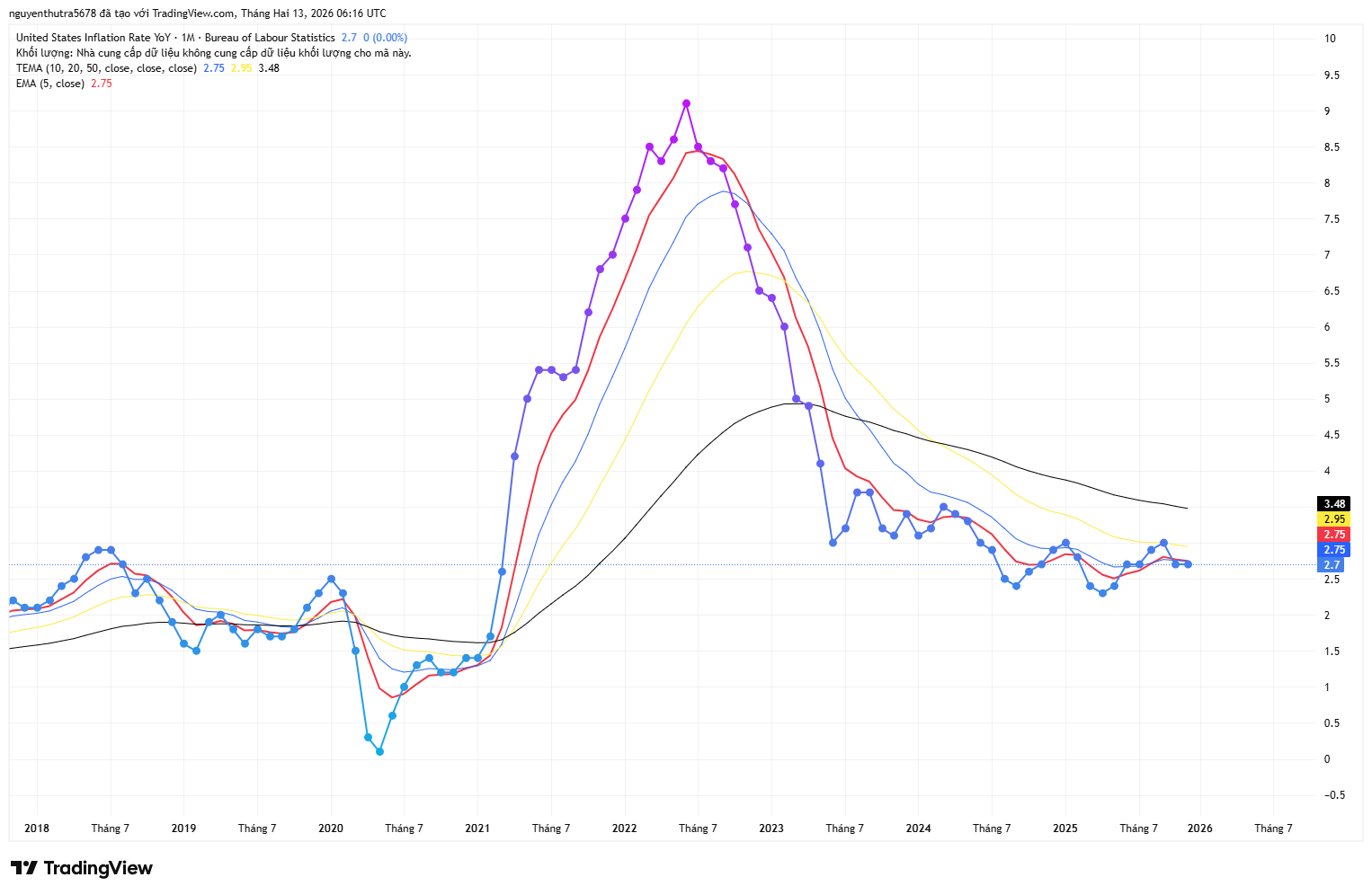
The direct cause stemmed from two simultaneous shocks:
US inflation data (CPI) was better than expected but trended towards a “recovery” (i.e., inflation higher than market expectations).
Fed officials repeatedly sent hawkish signals, causing investors to worry that interest rates would remain high for longer.
The result: the US stock market plummeted, dragging down all risky assets. Gold and silver lost their safe-haven status, and Bitcoin lost its title as “digital gold.” Large institutions rushed to liquidate positions before the long Lunar New Year holiday, resulting in extremely thin buying liquidity and a strong long squeeze (forcing long-term margin investors to sell at a loss).
Signs of a “bottom is near” despite the surface panic
Despite the feeling that the market is “shattered,” deeper data reveals rare positive signals:
On-chain : Within 4 hours of the crash, whales holding 100–1,000 BTC not only didn’t sell but also bought a net 2,300 BTC. This is clear accumulation by “smart money.”
Technical indicators: The daily RSI reached the oversold zone of 25 – a level that accurately predicted strong rallies over the past 6 months.
Options market: Despite retail investors complaining on social media, the volume of call options for the end-of-February (after the Lunar New Year) period surged, and implied volatility (IV) jumped. Large funds are quietly betting on a strong rebound after the holiday.
Trading Guide During This Period
Trader commented:
“BTC is being dragged down by the general trend of the global financial market. This is a short-term bear market. The number one priority is capital preservation, reducing trading frequency, and absolutely avoiding frequent counter-trend trading.” Current reasonable strategy:
Reduce leverage, narrow positions.
Only hold coins with strong fundamentals and where whale capital is accumulating.
Prepare funds to buy dips if on-chain signals and options continue to confirm.
Conclusion: How long will this “black swan” last?
From a data perspective, this is not the beginning of a long-term bear market, but rather a strong liquidity cleanup before the Lunar New Year – typical of years with major Chinese holidays.
Whale accumulation signs + oversold RSI + option money betting on a recovery after the Lunar New Year holiday suggest a high probability this event will end quickly within the next 1-2 weeks, as money flows back in after the holiday.
The market is currently in a “sell out of fear, buy out of reason” phase.
Stay calm, protect your capital, and be ready for a strong recovery after the 2026 Lunar New Year. What are you doing right now: holding, cash, or looking for buying opportunities? Comment below!