

Trade
Basic
Futures
Futures
Hundreds of contracts settled in USDT or BTC
Options
HOT
Trade European-style vanilla options
Unified Account
Maximize your capital efficiency
Demo Trading
Futures Kickoff
Get prepared for your futures trading
Futures Events
Participate in events to win generous rewards
Demo Trading
Use virtual funds to experience risk-free trading
Earn
Launch
CandyDrop
Collect candies to earn airdrops
Launchpool
Quick staking, earn potential new tokens
HODLer Airdrop
Hold GT and get massive airdrops for free
Launchpad
Be early to the next big token project
Alpha Points
NEW
Trade on-chain assets and enjoy airdrop rewards!
Futures Points
NEW
Earn futures points and claim airdrop rewards
Investment
Simple Earn
Earn interests with idle tokens
Auto-Invest
Auto-invest on a regular basis
Dual Investment
Buy low and sell high to take profits from price fluctuations
Soft Staking
Earn rewards with flexible staking
Crypto Loan
0 Fees
Pledge one crypto to borrow another
Lending Center
One-stop lending hub
VIP Wealth Hub
Customized wealth management empowers your assets growth
Private Wealth Management
Customized asset management to grow your digital assets
Quant Fund
Top asset management team helps you profit without hassle
Staking
Stake cryptos to earn in PoS products
Smart Leverage
NEW
No forced liquidation before maturity, worry-free leveraged gains
GUSD Minting
Use USDT/USDC to mint GUSD for treasury-level yields

More






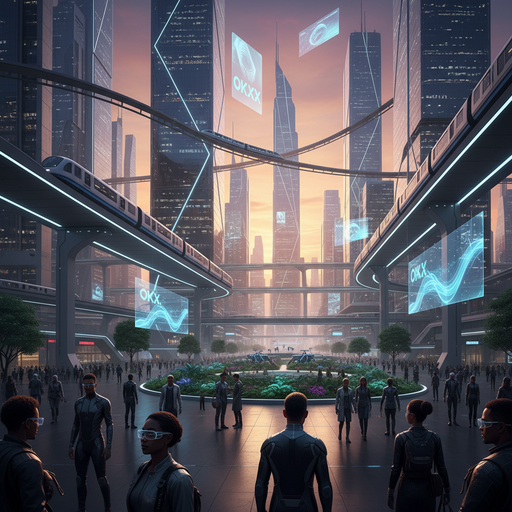
New Direction in Web3: The Integration of Social and Gaming Leads the Decentralization Wave
The Fusion of Social and Gaming: The Future of Web3?
1. The Essence of Decentralized Social Networking
Socializing is a human instinct, and we establish social relationships through the transmission of information and interaction. With the development of information technology, socializing methods have continuously evolved, from face-to-face communication to today’s mobile internet social platforms.
However, there are many issues with current centralized social platforms:
Blockchain technology offers a possibility to solve these problems. Decentralized identity (DID) allows users to truly own their identity, enabling free migration across different platforms without losing data and relationships.
The core of decentralized social is:
2. Games: A Great Scene for Socializing
Games are naturally suitable as social scenarios:
There are many successful cases in traditional online games, such as World of Warcraft and Fortnite.
Decentralized games ( GameFi ) aim to solve the problem of game asset ownership through technologies like NFTs. However, the asset value of a single game is still limited.
Therefore, most GameFi projects aim for the “metaverse” and pursue asset interoperability. This requires a universal game identity - GameID.
III. Several Models of Integration Between Social and Gaming
3.1 User-Centric: GameID Platform
Representative Project:
3.2 Game Social Supplement Component
Representative project:
3.3 NFT asset-centric games
Representing the project:
3.4 Mini games based on existing social relationships
Representative project:
3.5 AI-driven virtual relationship
Representative project:
4. Conclusion
The integration of social and gaming will be an important direction to break through the traffic bottlenecks of Web3. From GameID to AI virtual relationships, various innovative models are constantly emerging. We look forward to the emergence of truly phenomenal applications that will usher in a new era for Web3.