Explore Haedal Protocol, a liquid staking solution on Sui with haSUI, haWAL, and veHAEDAL for DeFi access and on-chain governance.
2026-03-31 11:38:17
Gate Research Weekly Report: This week, BTC broke the $110,000 mark, reaching a new high. The altcoin sector showed divergence, with segments like Meme coins, AI Agents, and the Solana ecosystem leading in gains. The stablecoin "GENIUS Act" has passed the motion for voting and is entering the revision process. Tether has issued an additional 2 billion USDT on the Tron network. Worldcoin has completed a $135 million WLD token financing led by a16z. Next week, there will be significant unlocks of tokens like SOL, TRUMP, and WLD, which may impact market sentiment.
2026-03-31 11:34:48
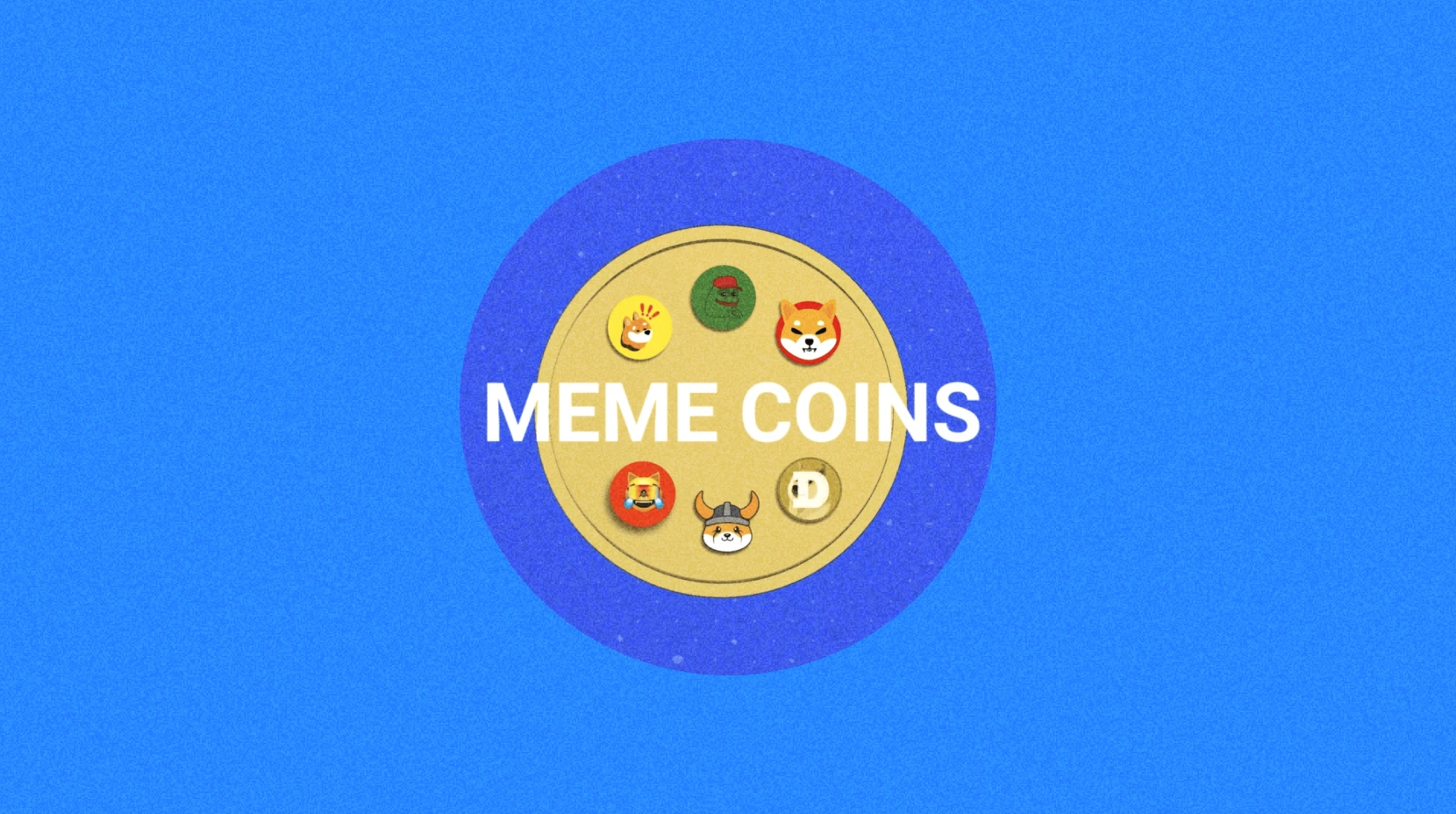
This report presents a systematic, data-driven "Meme Coin Lifecycle Research Toolkit" that integrates on-chain data, community activity, and market sentiment indicators. It is designed to help investors identify key signals across different stages of a meme coin's lifecycle, manage risk proactively, and capitalize on market rotations. The toolkit also offers valuable insights for policymakers seeking to understand the evolutionary logic and potential systemic risks of such assets. The report outlines a comprehensive signal map for assessing meme coins, details the data characteristics and thresholds at each stage, and provides a practical investment playbook to help investors develop and implement response strategies in advance across different stages.
2026-03-31 11:33:16
Gate Research Report: Market Performance & Airdrop Opportunities from May 5 to May 19, 2025. During this period, the crypto market saw a notable rebound, with total market capitalization rising over 14% and Bitcoin gaining more than 11%. Narrative-driven mid and small-cap tokens performed particularly well, led by LAUNCHCOIN, which surged over 5,500%. Against this backdrop, projects such as Kadena, Camp Network, Avalon, and Coinshift launched airdrop campaigns. This report provides a brief overview of participation methods to help users capture airdrop rewards and identify strategic opportunities during the market recovery.
2026-03-31 11:24:33
Gate Research Daily Report: On May 23, As BTC surpassed $111,000, a new wave of optimism emerged in the market; ETH ETF inflows hit a recent high; SUI suffered significant losses due to a smart contract attack; meanwhile, Ondo Finance launched an innovative securities trading platform on Solana.
2026-03-31 11:15:43
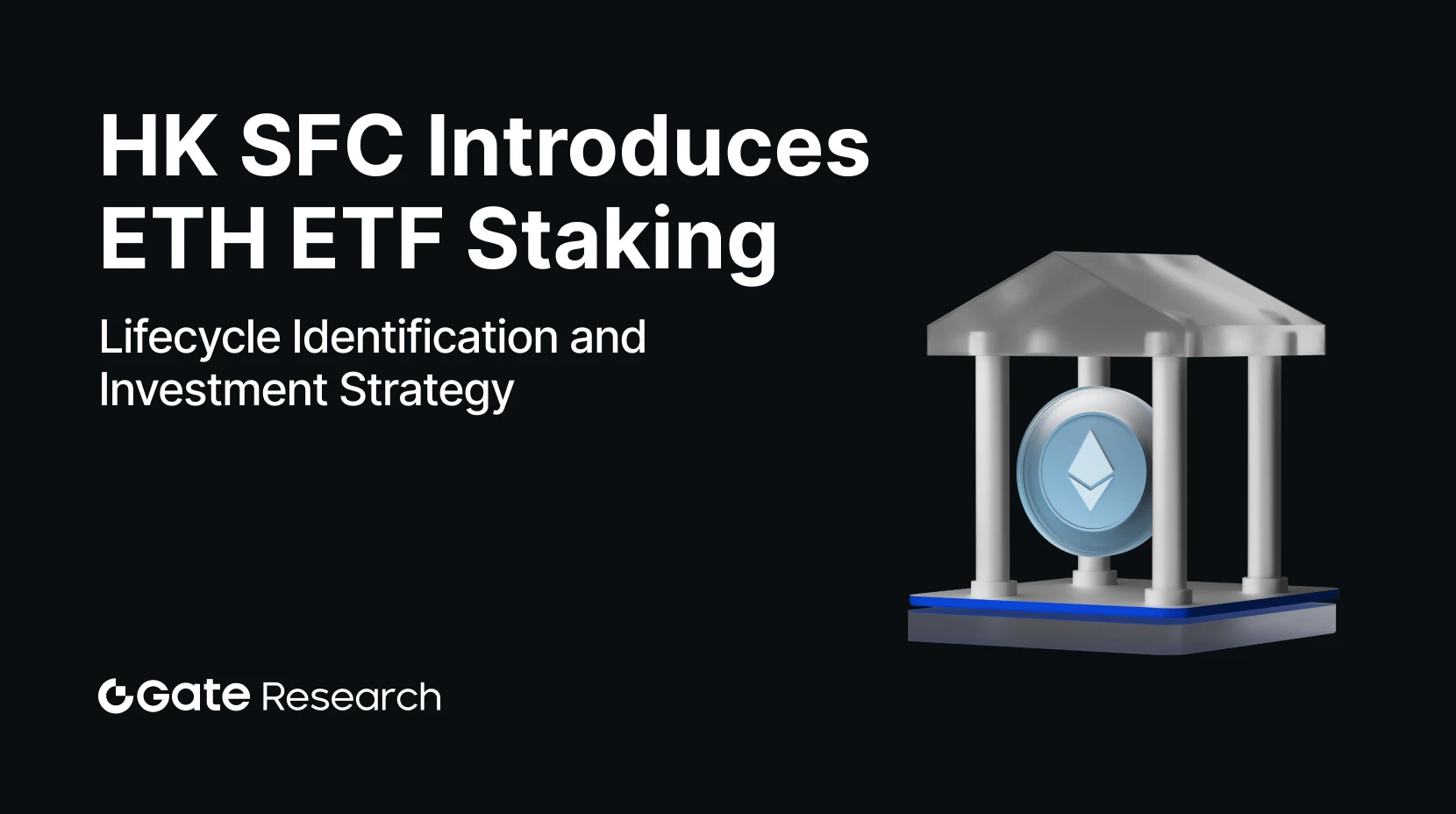
This report provides an in-depth analysis of the policy development surrounding the "Circular on staking services provided by virtual asset trading platforms," examines the details of ETH staking returns, explores the fund flow changes of Hong Kong Ethereum spot ETFs, and discusses the prospects of the Ethereum ecosystem and the Real World Assets (RWA) development in Hong Kong.
2026-03-31 11:12:58
Explore Gomble, a Web3 gaming platform combining social play, developer tools, and token incentives through the GM token and PoSQ.
2026-03-31 11:01:49
Discover what Mode Network is, how it works, and why it's gaining attention as a Layer 2 blockchain built on Ethereum.
2026-03-31 10:55:18
MegaETH is a high-speed Ethereum Layer 2 designed for real-time dApps. Learn how it works, who's behind it, its roadmap, features, and how to get involved before the token launch.
2026-03-31 10:52:32
The article analyzes how cryptocurrencies meet the needs of the younger generation through features such as transparency, control, and instant transactions, and provides real-world examples of the growing adoption of cryptocurrency applications, such as the rise of PayPal, Cash App, NFT, and DeFi platforms.
2026-03-31 10:43:37
The article analyzes PayFi's technical advantages, such as transparency, control, and real-time transactions, discusses the impact of Internet giants entering the PayFi field on entrepreneurs, and how PayFi breaks the monopoly of traditional giants through payment alliances.
2026-03-31 10:41:52
The article provides an in-depth analysis of the key themes of the conference, including establishing stable coins as the infrastructure of the digital economy, maintaining a cautious and optimistic attitude towards the development of artificial intelligence technology, and Dubai consolidating its role as a Web3 regulatory and capital center.
2026-03-31 10:40:04
Newton Protocol is an innovative Web3 project dedicated to establishing a verifiable automated system for on-chain economics. By integrating Trusted Execution Environment (TEE) and Zero-Knowledge Proof (ZKP) technologies, Newton provides users with a secure and efficient on-chain automated solution.
2026-03-31 10:38:27
The article details the differences between various platforms in terms of issuance methods, fee structures, community participation, and governance mechanisms, and looks ahead to future market trends, including the transition of business models from harvesting to win-win, the normalization of multi-chain layouts, and the impact of community culture on platform competitiveness.
2026-03-31 10:36:51
The article explores the emerging trend of combining Meme Coins with real-world assets (RWAs), revealing how this fusion can inject tangible value into Meme Coins and transform their market dynamics.
2026-03-31 10:35:23