In decentralized finance (DeFi) protocols, governance tokens are commonly used to coordinate protocol governance, support network operations, and incentivize ecosystem participants. Unlike traditional financial platforms, which are managed by centralized institutions, DeFi protocols require an on-chain mechanism that allows community members to take part in parameter adjustments, rule upgrades, and resource allocation, helping the protocol continue operating in a decentralized environment.
As the native utility token of the Centrifuge protocol, CFG has a total supply of 691,800,000 tokens, as of January 2026, allocated across the ecosystem, team, incentive programs, circulating supply, and other stakeholders in different proportions.
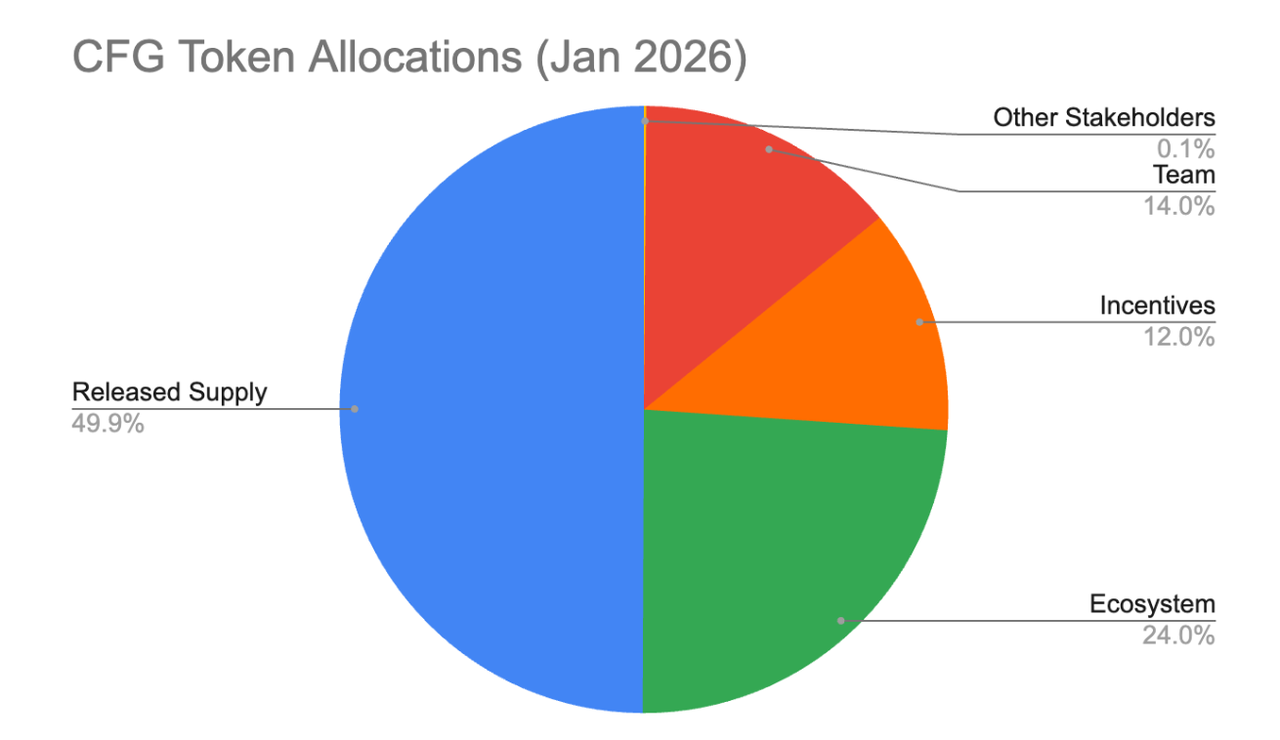
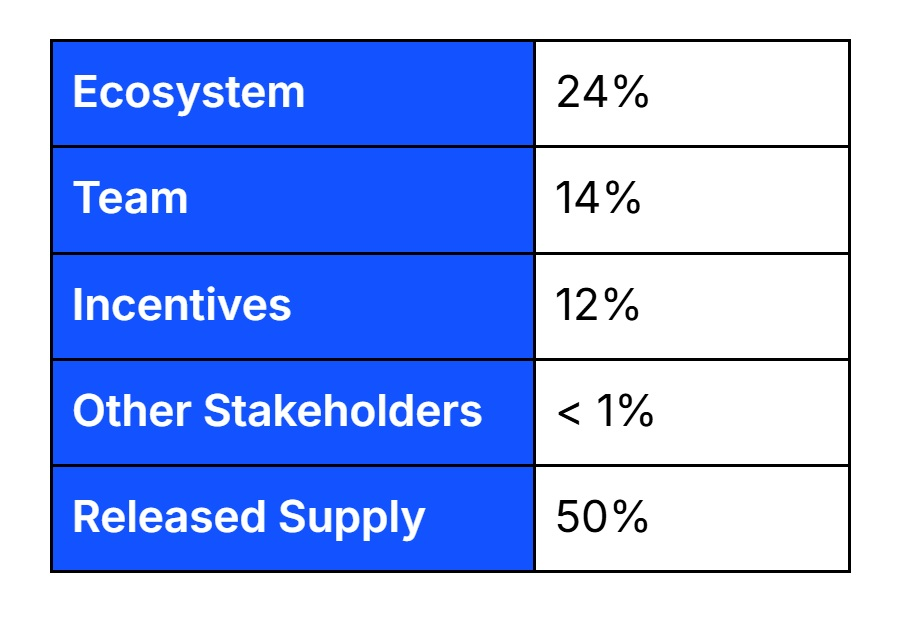
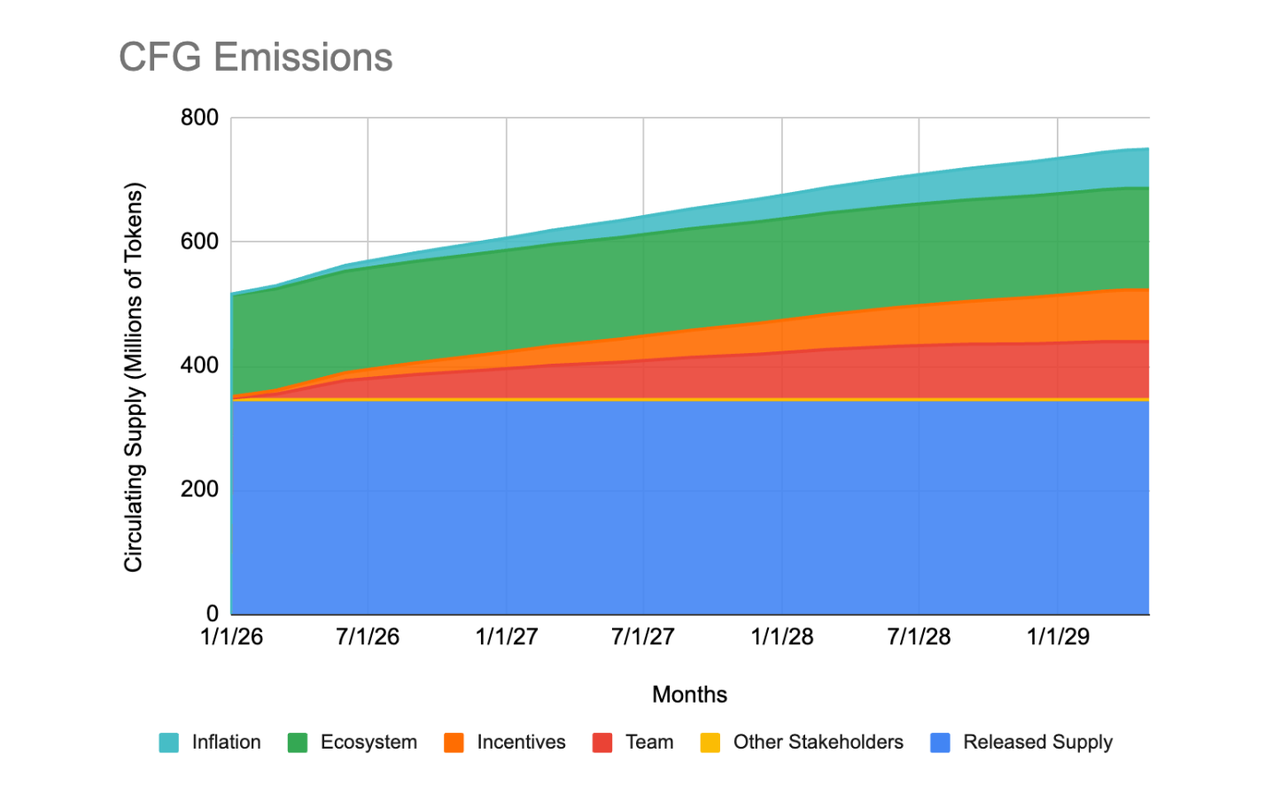
According to official information, CFG has an annual inflation rate of 3%, which means the total token supply increases gradually over time, with all newly minted inflationary tokens directed to the treasury.
What Are the Core Functions of the CFG Token?
CFG’s core functions can be grouped into three main areas: governance, staking, and incentives.
First, CFG is used for protocol governance. Token holders can participate in governance voting, submit opinions on matters such as protocol upgrades, parameter changes, and key rule adjustments, and vote on the outcomes. This structure allows the direction of Centrifuge’s development to be shaped collectively by the community.
Second, CFG is used for network staking. Node operators must stake CFG in order to participate in network validation and maintenance. This staking mechanism helps strengthen network security and reduce the likelihood of malicious behavior.
In addition, CFG is also used for ecosystem incentives, such as rewarding network participants and supporting protocol ecosystem growth. Through these functions, CFG serves as a central component of the protocol’s economic system.
How Does CFG Support Centrifuge’s Governance Mechanism?
Within Centrifuge’s governance system, CFG holders have on-chain governance rights and can vote on proposals related to the protocol.
These proposals typically involve protocol upgrades, parameter adjustments, asset pool rules, and resource allocation. Through an on-chain voting process, key protocol decisions are not controlled by a centralized authority but are instead determined collectively by token holders. This model improves governance transparency and makes the governance process more open and verifiable.
The existence of this governance mechanism allows the protocol to adapt its operating rules in response to market demand and ecosystem development, while preserving the principles of decentralization.
How Does CFG Staking Help Maintain Network Security?
CFG’s staking mechanism is primarily used to support network validation and help ensure the secure operation of the protocol.
Node operators must lock a certain amount of CFG in order to qualify for network validation and maintenance duties. Staked CFG acts as an economic guarantee within the network. If operators perform their responsibilities properly, they can receive rewards. If they engage in malicious behavior, they may face penalties.
This model encourages honest participation by node operators and reduces the risk of attacks through economic constraints. For an RWA protocol like Centrifuge, a stable and reliable network environment is essential to keeping the asset financing process running smoothly, which makes CFG staking a critical part of the protocol’s security design.
Beyond governance and staking, CFG also serves an incentive function by supporting protocol participants and helping expand the ecosystem.
The protocol can use CFG to reward node operators, governance participants, and other ecosystem contributors, encouraging more users to support network operations. This reward structure can improve network activity and help attract more long-term participants.
In decentralized protocols, incentive design is a major driver of ecosystem growth. Through CFG’s incentive model, Centrifuge can align the operational needs of the protocol with participant interests, creating a more stable and cooperative ecosystem.
What Are the Advantages and Potential Limitations of the CFG Mechanism?
The main advantage of the CFG mechanism is that it combines governance, staking, and incentives within a single token system, allowing protocol governance and network security to be coordinated through economic design. This approach improves transparency and strengthens community participation.
At the same time, the mechanism also has certain limitations. For example, concentrated voting power may weaken governance participation, while the effectiveness of staking depends on the level of node involvement. In addition, if the incentive structure is not designed properly, it may affect the protocol’s long-term stability.
As a result, while the CFG mechanism helps improve decentralization, it also depends on sound governance and incentive design to maintain balance over time.
Conclusion
As the core utility token of the Centrifuge protocol, CFG supports protocol operations through governance, staking, and incentive mechanisms.
From a governance perspective, CFG gives holders a role in protocol decision-making. At the network level, it helps secure the protocol through staking. At the ecosystem level, it promotes growth through incentives. Together, these functions form the foundation of Centrifuge’s token economy and provide a stable operational base for a real-world asset (RWA) financing protocol.
As RWA protocols continue to evolve, CFG is likely to remain a key governance and incentive tool within Centrifuge, playing an important role in both protocol governance and network security.
FAQs
What is the CFG token used for?
CFG is mainly used for protocol governance, node staking, and ecosystem incentives, making it an essential utility token in the Centrifuge protocol.
How does CFG participate in protocol governance?
CFG holders can participate in on-chain voting on protocol upgrades, parameter adjustments, and governance proposals.
Why do nodes need to stake CFG?
Nodes stake CFG to qualify for network validation and to help maintain protocol security through an economic security mechanism.
What is the purpose of CFG’s incentive mechanism?
CFG is used to reward node operators and ecosystem participants, helping support protocol operations and ecosystem growth.
What is the core value of CFG?
CFG’s core value lies in linking governance rights, security mechanisms, and incentive structures to support the stable operation of the Centrifuge protocol.







