

Trade
Basic
Futures
Futures
Hundreds of contracts settled in USDT or BTC
Options
Hot
Trade European-style vanilla options
Unified Account
Maximize your capital efficiency
Demo Trading
Futures Kickoff
Get prepared for your futures trading
Futures Events
Futures Mall
Participate in events to win generous rewards
Demo Trading
Use virtual funds to experience risk-free trading
Earn
Launch
CandyDrop
Collect candies to earn airdrops
Launchpool
Quick staking, earn potential new tokens
HODLer Airdrop
Hold GT and get massive airdrops for free
Launchpad
Be early to the next big token project
Alpha Points
New
Trade on-chain assets and enjoy airdrop rewards!
Futures Points
New
Earn futures points and claim airdrop rewards
Investment
Simple Earn
Earn interests with idle tokens
Auto-Invest
Auto-invest on a regular basis
Dual Investment
Buy low and sell high to take profits from price fluctuations
Soft Staking
Earn rewards with flexible staking
Crypto Loan
0 Fees
Pledge one crypto to borrow another
Lending Center
One-stop lending hub
VIP Wealth Hub
Customized wealth management empowers your assets growth
Private Wealth Management
Customized asset management to grow your digital assets
Quant Fund
Top asset management team helps you profit without hassle
Staking
Stake cryptos to earn in PoS products
Smart Leverage
New
No forced liquidation before maturity, worry-free leveraged gains
GUSD Minting
Use USDT/USDC to mint GUSD for treasury-level yields

More


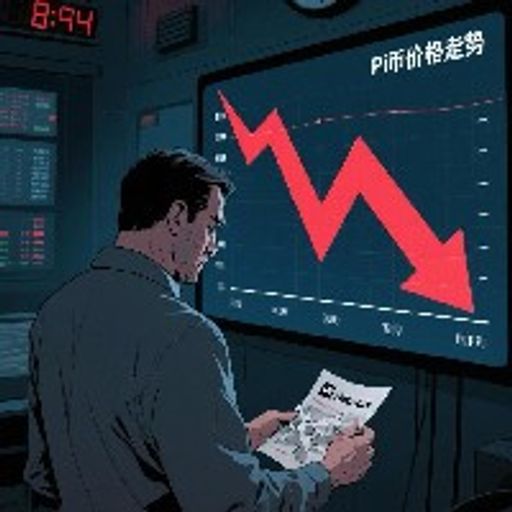



#GameFiSeesaStrongRebound 2026 Revival After the 2025 Collapse
After a devastating ~75% market collapse in 2025, driven by failed play-to-earn models, low player retention, bot farming, unsustainable tokenomics, and speculative hype, GameFi is staging a notable comeback. The sector is no longer relying on pure speculation; instead, structural improvements, real product upgrades, and ecosystem redesigns are fueling renewed investor and player interest. Market participants are increasingly rotating capital from established crypto majors into high-beta, narrative-rich sectors like GameFi.
Market Snapshot — Late January 2026
GameFi is outperforming broader altcoin markets with weekly sector gains of +4% to +14% and daily rebounds often exceeding +4.5%. Web3 gaming trading volumes have spiked, in some cases doubling week-over-week. On-chain activity shows rising transactions, wallets, and DAUs. Meanwhile, Bitcoin consolidates near $90K+, signaling a sector rotation where traders move profits from majors into GameFi’s high-volatility, momentum-driven environment.
Why GameFi Is Rebounding Now
Tokenomics have been rebuilt for sustainability. Core failures of previous cycles — such as inflationary token emissions and bot exploits — are being addressed. Anti-bot reward systems, reduced token emissions, and real utility-driven tokenomics are creating healthier in-game economies. Players now earn value through gameplay skill, asset ownership, and ecosystem participation rather than grinding for inflationary rewards.
Play-to-Earn Evolves into Play-and-Own / Play-and-Earn
Modern GameFi models emphasize true asset ownership with NFTs, tradable skins, land, and in-game assets. Cross-game interoperability, DeFi integrations, staking, and yield mechanics are now common. These changes encourage genuine player engagement and long-term retention, contrasting sharply with the early speculative cycles where grind-to-earn mechanics dominated.
Player Activity and Ecosystem Growth
Millions of new installs, hundreds of thousands of daily active users, and explosive transaction growth are signaling healthy adoption. Competitive modes, ranked seasons, PvP tournaments, and creator-driven content tools are increasing engagement. Unlike the 2021–2022 cycle, players are staying longer, and live-ops updates are driving organic growth and ecosystem stickiness.
Leading Tokens Driving the Rebound
🔥 Axie Infinity ($AXS) has surged +36% to +117%, fueled by ecosystem updates, supply corrections, and anti-bot measures. Whale inflows and strong Korean market activity have reinforced its leadership. 🏗 The Sandbox ($SAND) is expanding its creator economy and metaverse footprint, rising +15–30%. 🌐 Decentraland ($MANA) rallies past $0.20, supported by social and metaverse adoption. Other ecosystem tokens like Ronin ($RON), GALA, and emerging Solana/Avalanche projects are benefiting from narrative momentum and high on-chain activity.
Why This Cycle Feels Different
Unlike 2021, today’s GameFi resurgence is builder-led, not hype-driven. Gameplay quality is higher, tokenomics are sustainable, and onboarding is hybrid Web2.5-friendly. Real asset ownership and focus on retention define this cycle, creating a foundation for longer-term growth. Survival depends on teams that endured the bear market and are committed to execution.
Long-Term Growth Outlook
Market projections suggest GameFi could grow from ~$20B in 2025 to $150B+ by 2033. Growth will be driven by mainstream adoption, AAA Web3 game releases, mobile and casual onboarding, esports integration, creator economies, and virtual ownership economies. GameFi is positioning itself as a central pillar of digital entertainment and Web3 ecosystems.
Risks Remain ⚠️
Despite the rebound, volatility is high, with 30–40% pullbacks common. Profit-taking cycles, token unlocks, execution risk, and macro sensitivity remain concerns. Not all projects will survive; only ecosystems delivering real value, fun gameplay, and anti-bot protections will thrive. High-beta risk remains a defining characteristic of GameFi.
What to Watch in 2026
Sustained momentum in $AXS, $SAND, and $MANA will indicate continued recovery. Major game launches, cross-chain expansion (Solana, Avalanche, Sei, Ronin), DAU growth, wallet activity, esports integration, and institutional investment are key metrics. Market participants should monitor adoption trends and ecosystem health to separate sustainable growth from temporary hype.
This cycle confirms that GameFi’s revival is structural, driven by stronger fundamentals and genuine player engagement. 2026 is shaping up to be a pivotal year for the sector, where disciplined innovation meets renewed market confidence