

Trade
Basic
Futures
Futures
Hundreds of contracts settled in USDT or BTC
Options
HOT
Trade European-style vanilla options
Unified Account
Maximize your capital efficiency
Demo Trading
Futures Kickoff
Get prepared for your futures trading
Futures Events
Participate in events to win generous rewards
Demo Trading
Use virtual funds to experience risk-free trading
Earn
Launch
CandyDrop
Collect candies to earn airdrops
Launchpool
Quick staking, earn potential new tokens
HODLer Airdrop
Hold GT and get massive airdrops for free
Launchpad
Be early to the next big token project
Alpha Points
NEW
Trade on-chain assets and enjoy airdrop rewards!
Futures Points
NEW
Earn futures points and claim airdrop rewards
Investment
Simple Earn
Earn interests with idle tokens
Auto-Invest
Auto-invest on a regular basis
Dual Investment
Buy low and sell high to take profits from price fluctuations
Soft Staking
Earn rewards with flexible staking
Crypto Loan
0 Fees
Pledge one crypto to borrow another
Lending Center
One-stop lending hub
VIP Wealth Hub
Customized wealth management empowers your assets growth
Private Wealth Management
Customized asset management to grow your digital assets
Quant Fund
Top asset management team helps you profit without hassle
Staking
Stake cryptos to earn in PoS products
Smart Leverage
NEW
No forced liquidation before maturity, worry-free leveraged gains
GUSD Minting
Use USDT/USDC to mint GUSD for treasury-level yields

More





What Does a Bitcoin Look Like? Visual Guide to Bitcoin's Physical and Digital Forms
Ever wondered what does a bitcoin coin look like or how to identify bitcoin in real life? This comprehensive bitcoin physical appearance guide explores bitcoin’s visual identity beyond the digital realm. From understanding the distinctive ₿ symbol and design features to recognizing physical collectible coins, we’ll explain bitcoin visual representation explained across both digital and tangible forms. Whether you’re seeking knowledge about bitcoin symbol design or learning how to spot authentic Bitcoin in real-world contexts, this guide provides essential insights into cryptocurrency’s most recognizable asset. Discover what truly defines Bitcoin’s appearance and how to distinguish genuine Bitcoin from counterfeit representations.
The Bitcoin symbol ₿ has become one of the most recognizable icons in the financial world, serving as the universal visual representation of cryptocurrency. When you encounter bitcoin in digital spaces—whether on trading platforms, wallets, or financial news websites—you’re seeing this distinctive symbol that denotes the world’s first and largest cryptocurrency by market capitalization. The ₿ symbol was officially encoded into Unicode in 2015, allowing it to be displayed consistently across all digital devices and platforms. This standardization has been crucial in establishing Bitcoin’s visual identity and making it instantly recognizable to millions of users globally.
The design of the Bitcoin symbol draws inspiration from existing currency symbols like the dollar sign ($) and euro sign (€), featuring a capital B with two vertical lines through it. This design choice wasn’t accidental—it was created to convey legitimacy and establish parity with traditional fiat currencies. When you see ₿ displayed alongside price information on exchanges or in wallet applications, you’re viewing Bitcoin’s primary visual marker. The symbol appears consistently on major trading platforms, institutional investment products, and mobile applications, making it the standardized way that bitcoin visual representation explained across the industry. Understanding this symbol is essential for anyone seeking to identify Bitcoin quickly and accurately in the digital realm, as it’s the first visual cue that distinguishes Bitcoin from thousands of other cryptocurrencies.
Bitcoin exists as purely digital data stored across a decentralized network of computers worldwide—there is no physical Bitcoin object, despite common misconceptions. When you own Bitcoin, what you actually possess is control over a private cryptographic key that grants you access to a specific address on the Bitcoin blockchain. The blockchain itself is a distributed ledger that records all Bitcoin transactions in blocks, which are linked together chronologically. Your Bitcoin balance appears as a numerical value in your digital wallet, which is an application or hardware device that stores your private and public keys. The blockchain contains approximately 19.97 million Bitcoin in circulation, with a maximum supply capped at 21 million BTC, ensuring scarcity and controlled inflation.
When you view your Bitcoin holdings in any wallet application or exchange platform, you’re observing a digital representation of your ownership stake in the network. The actual Bitcoin exists as entries in the blockchain’s transaction history—each Bitcoin is traceable through thousands of transactions back to its creation through mining. The 24-hour trading volume for Bitcoin reaches approximately $41.3 billion, demonstrating the massive liquidity and active trading occurring across the global network. To identify bitcoin in real life through digital means, users interact with wallet addresses—long alphanumeric strings like “1A1z7agoat7SfNxBqFZy” that serve as Bitcoin’s equivalent to bank account numbers. These addresses are publicly visible and allow anyone to verify Bitcoin holdings, send transactions, and track the movement of funds across the blockchain. The immutable nature of blockchain technology means every Bitcoin transaction is permanently recorded, creating complete transparency and security for digital Bitcoin ownership.
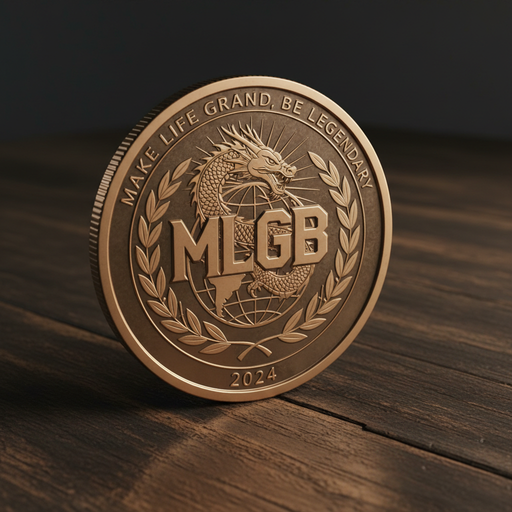
Physical Bitcoin coins are novelty items and collectibles that represent Bitcoin ownership through tangible objects, but they do not constitute actual Bitcoin on the blockchain. These physical representations typically come as metal coins featuring the Bitcoin symbol, ranging from inexpensive promotional items to expensive collectibles made from precious metals like gold or silver. Manufacturers produce these coins to help people visualize what a bitcoin coin look like and to create a physical anchor for an abstract digital asset. Some physical Bitcoin coins contain embedded QR codes or holographic security features that link to digital Bitcoin addresses, allowing them to function as physical storage devices for actual cryptocurrency. However, the Bitcoin stored through these mechanisms still exists only on the blockchain—the physical coin itself is merely a container or representation.
The distinction between physical Bitcoin coins and actual Bitcoin is fundamental: the coins themselves hold no inherent value on the blockchain. If you purchase a gold-plated physical Bitcoin coin, you’re buying a collectible object, not Bitcoin itself. The actual Bitcoin value exists only as digital entries recorded across the distributed ledger network. Some collectors and investors purchase these physical representations as novelty items or as part of cryptocurrency memorabilia collections, but serious Bitcoin investors and users recognize that true Bitcoin ownership requires controlling private keys through digital wallets. Physical Bitcoin coins serve an educational purpose, helping newcomers understand Bitcoin’s concept and providing tangible merchandise for the cryptocurrency community. The market for these items reflects interest in Bitcoin tangible representations, but they should never be confused with actual Bitcoin holdings, which require digital private key management and blockchain verification for legitimate ownership and transfer.
Identifying Bitcoin in real life requires understanding the various digital contexts where Bitcoin appears and how to recognize legitimate Bitcoin holdings. When using exchanges or trading platforms, Bitcoin displays with the ₿ symbol alongside its ticker symbol BTC and current price information—as of January 2026, Bitcoin trades around $93,593.88 with substantial daily trading activity. Digital wallet applications show your Bitcoin balance as a numerical figure, typically displayed in both BTC units and equivalent fiat currency values like USD or EUR. Recognizing legitimate Bitcoin requires verifying wallet addresses through blockchain explorers, which are public databases allowing anyone to view transaction history and verify Bitcoin movements. A valid Bitcoin address begins with a “1,” “3,” or “bc1” depending on its type, followed by approximately 26-35 alphanumeric characters.
How to identify bitcoin in real life involves checking several verification methods. First, examine the source—legitimate Bitcoin information appears on established exchanges, major financial news outlets, and official blockchain explorers. Second, verify the Bitcoin symbol and ticker designation to ensure you’re viewing actual Bitcoin and not altcoins or fraudulent imitations. Third, use blockchain explorers to trace transactions and confirm that Bitcoin addresses actually contain the claimed holdings. The following table illustrates the key differences between legitimate Bitcoin identification and potential scams:
Learning these bitcoin symbol and design features helps protect against cryptocurrency fraud and scams. Always verify Bitcoin holdings through multiple sources, never share private keys with anyone, and confirm addresses through official blockchain explorers before conducting transactions. When encountering Bitcoin in real-world applications, the presence of standardized symbols, verifiable blockchain records, and consistent pricing across legitimate platforms confirms genuine Bitcoin rather than counterfeit representations designed to deceive unsuspecting users.
This visual guide comprehensively explains Bitcoin’s appearance across physical and digital domains. The guide covers the standardized Bitcoin symbol ₿, officially encoded in Unicode since 2015, which appears on exchanges and wallet applications as cryptocurrency’s primary visual marker. It clarifies that Bitcoin exists purely as digital data on the blockchain rather than as physical currency, with ownership represented through private cryptographic keys and wallet addresses. Physical Bitcoin coins are novelty collectibles that don’t constitute actual Bitcoin—real Bitcoin holdings require digital key management and blockchain verification. The guide provides practical identification methods including recognizing legitimate Bitcoin displays on major trading platforms like Gate, verifying wallet addresses through blockchain explorers, and distinguishing genuine Bitcoin from fraudulent imitations using standardized symbols and verifiable transaction records. #Bitcoin# #Blockchain#