Qu’est-ce que BlockDAG ?
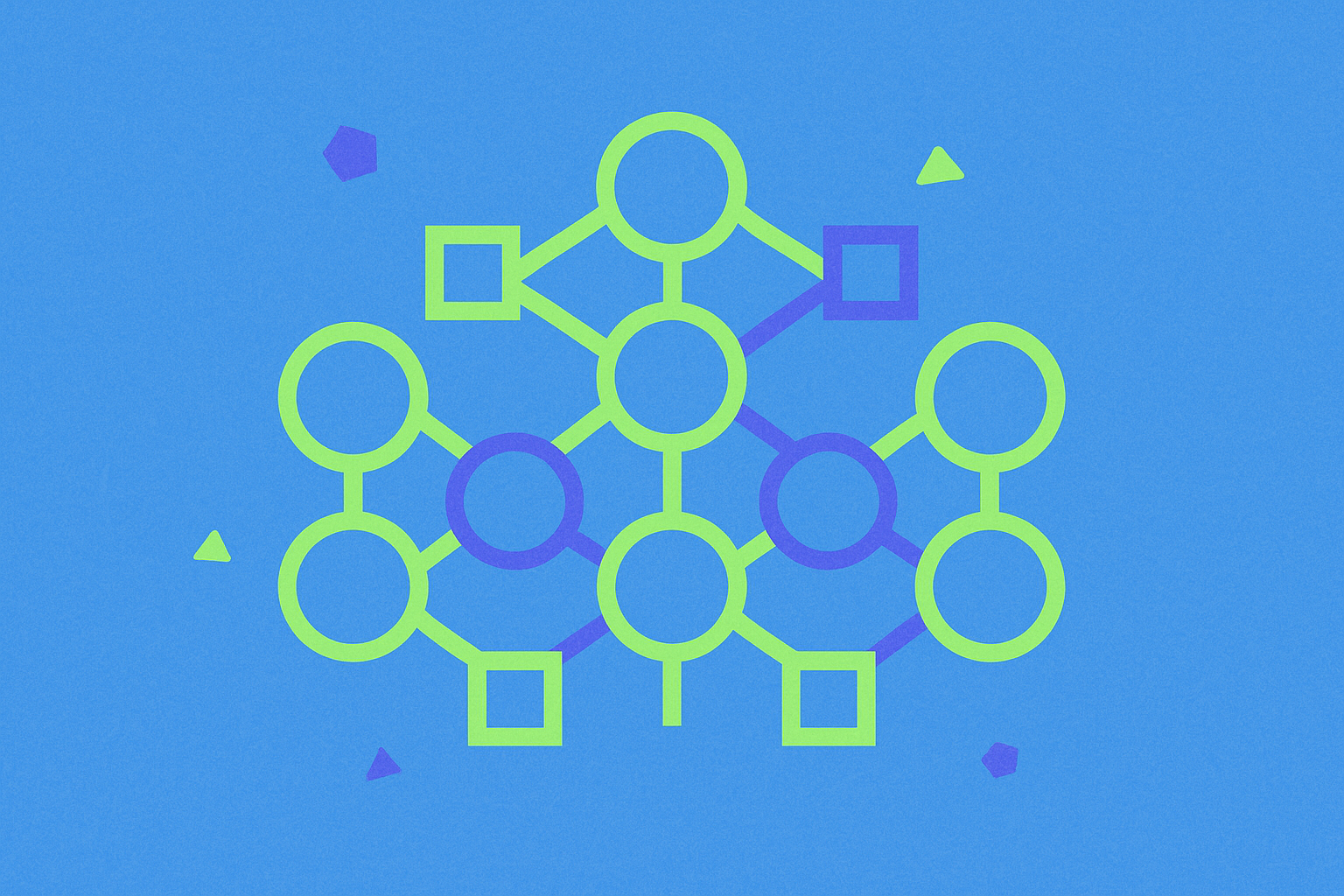
BlockDAG (BDAG) désigne une catégorie de réseaux cryptographiques et leurs jetons natifs fondés sur une architecture Directed Acyclic Graph (DAG). Un DAG est une structure de données qui permet la création simultanée de plusieurs blocs, lesquels sont ensuite réunis selon un ordre topologique, contrairement aux blockchains traditionnelles où les blocs s’enchaînent de manière séquentielle. Cette conception améliore nettement le nombre de transactions par seconde (TPS) et la rapidité des confirmations, tout en limitant la congestion du réseau.
Sur le plan de l’utilité du jeton, BDAG sert généralement à régler les frais de réseau, à récompenser les nœuds participant au consensus et à la sécurisation du réseau, et peut aussi jouer un rôle dans la gouvernance. Pour les nouveaux utilisateurs, il s’agit d’une blockchain ou d’un protocole public à haut débit, accompagné de son jeton natif, pensé pour un traitement évolutif des transactions.
Cours actuel, capitalisation boursière et offre en circulation de BlockDAG (BDAG)
Si BDAG est référencé sur les principaux agrégateurs de données, trois indicateurs principaux sont à considérer : le cours correspond au prix actuel de négociation par jeton ; la capitalisation boursière se calcule généralement comme « capitalisation = cours × offre en circulation » ; l’offre en circulation désigne le nombre de jetons actuellement disponibles à l’échange, distinct de l’offre totale. Les périodes de blocage et de déblocage des jetons influencent l’offre en circulation et la volatilité du prix à court terme.
Au 22 janvier 2026, les sources de données les plus consultées sont CoinMarketCap, CoinGecko, ainsi que le livre blanc ou les annonces officielles du projet. Ces chiffres évoluent en temps réel : consultez les dernières cotations pour obtenir les informations les plus récentes. Si BDAG est en prévente ou à un stade précoce, la capitalisation peut ne pas être calculée avec précision et l’offre en circulation peut être faible ou indisponible, ce qui est courant (Sources : CoinMarketCap, CoinGecko, livre blanc du projet ; Date : 22 janvier 2026).
Lors de l’analyse de ces indicateurs, surveillez l’offre totale, la répartition des jetons, les calendriers de blocage/déblocage, la profondeur du carnet d’ordres et la qualité du market making : tous ces facteurs influencent la stabilité du marché et le risque de slippage.
Qui a créé BlockDAG (BDAG) et quand ?
D’après les informations publiques, BlockDAG en tant que concept et projet a suscité l’intérêt ces dernières années. L’équipe a présenté son approche de production parallèle de blocs basée sur le DAG via le site officiel, le livre blanc et les médias, et a lancé des initiatives communautaires ainsi que des préventes ou des activités de testnet. Les informations pouvant évoluer rapidement selon les phases, il est conseillé de se référer aux dates de publication sur le site officiel et le livre blanc, et de suivre les étapes clés telles que le lancement du mainnet et les versions majeures (Sources : site officiel et livre blanc ; Date : 22 janvier 2026).
Pour les débutants, il est essentiel de distinguer trois jalons majeurs : la publication du concept, le lancement du testnet et celui du mainnet. Le mainnet est le réseau de production où s’exécutent les transactions et applications réelles ; le testnet sert d’environnement de développement et de test.
Comment fonctionne BlockDAG (BDAG) ?
Dans un système basé sur le DAG, plusieurs blocs peuvent être produits simultanément. Le réseau utilise un tri topologique et des relations de référence pour déterminer l’ordre et la validité des transactions, ce qui évite à tous les utilisateurs de s’aligner sur une chaîne unique. Cette parallélisation accroît le TPS et réduit le temps de confirmation.
Un mécanisme de consensus assure l’accord du réseau sur les transactions et les blocs. Selon les projets, il peut s’agir du Proof-of-Work (PoW), du Proof-of-Stake (PoS) ou de schémas hybrides, afin de prévenir la double dépense et de renforcer la sécurité. La finalité — c’est-à-dire l’irréversibilité d’une transaction une fois confirmée — est souvent obtenue rapidement dans les architectures DAG pour répondre aux usages à haut débit.
Le modèle de frais et la tokenomics déterminent le coût des transactions et les incitations du réseau. Des frais trop bas peuvent attirer des transactions indésirables ; des frais excessifs nuisent à l’expérience utilisateur. Les projets doivent trouver un équilibre entre sécurité et facilité d’utilisation.
À quoi sert BlockDAG (BDAG) ?
Dans les paiements, un débit élevé et des confirmations rapides optimisent l’expérience des micro-paiements en réduisant les délais d’attente. Pour le gaming et les échanges de NFT, le traitement parallèle permet de gérer les pics d’activité — tels que les règlements fréquents en jeu et les transactions d’actifs.
Dans les applications DeFi, la faible latence améliore les moteurs de matching et les processus de compensation. Des confirmations accélérées réduisent le risque de rétrofacturation et les coûts opérationnels dans les paiements transfrontaliers ou l’acquisition commerçant. Le jeton peut aussi servir à la gouvernance et à l’incitation des nœuds, soutenant la maintenance du réseau sur le long terme.
Quels sont les principaux risques et considérations réglementaires pour BlockDAG (BDAG) ?
Risque d’adoption technologique : la production parallèle de blocs accroît la complexité du système ; une mauvaise implémentation peut entraîner des vulnérabilités ou des problèmes de performance.
Risque de développement : des retards dans le lancement du mainnet, des fonctionnalités réduites ou des attentes non satisfaites peuvent nuire à la confiance du marché et de la communauté.
Risque contractuel et de sécurité : en présence de smart contracts ou de bridges, il faut se méfier des bugs, des exploits de bridges cross-chain ou des contrats de jetons contrefaits.
Risque de liquidité et de concentration : les projets en phase initiale présentent souvent des blocages/déblocages concentrés susceptibles de générer une pression vendeuse ; un market making insuffisant peut entraîner un slippage élevé et une forte volatilité des prix.
Risque lié aux comptes et clés privées : sur les plateformes d’échange, activez les paramètres de sécurité ; pour les portefeuilles en auto-garde, sauvegardez de façon sécurisée phrases mnémoniques et clés privées pour éviter les attaques d’ingénierie sociale ou le phishing.
Conformité et restrictions régionales : la réglementation sur les crypto-actifs varie selon les juridictions — il est essentiel de respecter les lois locales et les obligations fiscales.
Comment acheter et stocker BlockDAG (BDAG) en toute sécurité sur Gate ?
Étape 1 : Rendez-vous sur gate.com pour créer un compte. Utilisez un mot de passe solide et activez l’authentification à deux facteurs (2FA) pour sécuriser la connexion et les retraits.
Étape 2 : Effectuez la vérification KYC pour augmenter les plafonds de compte, garantir la conformité et limiter les risques de contrôle.
Étape 3 : Déposez des fonds ou achetez des USDT en monnaie fiduciaire sur Gate. Vous pouvez aussi transférer des actifs d’autres chaînes — veillez à choisir le bon réseau de dépôt et à respecter les exigences de mémo/tag.
Étape 4 : Recherchez « BDAG » sur Gate. Si le jeton est listé, accédez à la page de trading spot pour consulter la profondeur du carnet d’ordres, les volumes et la fourchette de prix. Analysez soigneusement le slippage et les frais de trading.
Étape 5 : Passez votre ordre. Les débutants peuvent utiliser des ordres à cours limité pour maîtriser le prix d’exécution ; constituer sa position progressivement aide à limiter l’impact sur les coûts. Après l’achat, vérifiez votre solde d’actifs et l’historique des ordres.
Étape 6 : Stockez en toute sécurité. Pour une conservation à long terme, retirez vos jetons vers un portefeuille non dépositaire. Un portefeuille non dépositaire signifie que vous contrôlez vos clés privées — sauvegardez votre phrase mnémonique hors ligne (évitez captures d’écran ou stockage cloud).
Étape 7 : Activez des options de sécurité supplémentaires. Sur les comptes d’échange, configurez des listes blanches de retrait et des mots de passe de fonds ; pour les portefeuilles en auto-garde, privilégiez un portefeuille matériel ou une configuration multi-signatures pour renforcer la protection.
Étape 8 : Si BDAG n’est pas encore listé sur Gate, conservez vos USDT sur votre compte et surveillez les annonces Gate, le site officiel du projet et les informations du contrat. Évitez d’acheter auprès de sources non vérifiées — soyez vigilant face aux faux contrats ou sites de phishing.
Comment BlockDAG (BDAG) se compare-t-il à Kaspa ?
Positionnement technique : les deux mettent en avant l’architecture BlockDAG avec production parallèle de blocs. Toutefois, Kaspa dispose d’un mainnet opérationnel et d’un écosystème communautaire et développeur établi, tandis que BDAG peut être encore en phase de développement précoce.
Consensus et performance : Kaspa utilise un BlockDAG compatible PoW avec des plans d’optimisation transparents ; l’algorithme de consensus et les détails techniques spécifiques de BDAG doivent être vérifiés dans son livre blanc ou son code source — ne vous limitez pas aux métriques marketing.
Émission de jetons et liquidité : la courbe d’émission et les données de circulation de Kaspa sont largement accessibles ; pour les jetons BDAG en prévente ou nouvellement lancés, examinez attentivement l’offre totale et les calendriers de blocage/déblocage pour évaluer la pression vendeuse potentielle et la qualité de la liquidité.
Écosystème et outils : Kaspa est pris en charge par de nombreux portefeuilles et outils communautaires ; la maturité des outils de BDAG doit être suivie via les mises à jour officielles et les intégrations tierces. Privilégiez l’utilité réelle et la sécurité plutôt que les seules métriques lors de la comparaison.
Résumé de BlockDAG (BDAG)
BlockDAG (BDAG) utilise l’architecture DAG pour accélérer le traitement parallèle des transactions et la vitesse de confirmation, ce qui répond aux usages à haut débit comme les paiements, le gaming et la DeFi. Côté marché, il est crucial de surveiller l’interaction entre le prix, l’offre en circulation et la capitalisation ; évaluez la volatilité à court terme selon les calendriers de blocage/déblocage des jetons. Pour des données fiables, consultez CoinMarketCap, CoinGecko ou le livre blanc du projet le jour de la consultation. En pratique, suivez les étapes Gate pour l’inscription, le KYC, le trading, le stockage en auto-garde — et renforcez toujours la sécurité de vos comptes et clés privées. La comparaison avec Kaspa permet de clarifier les choix techniques et les différences d’écosystème. La valeur future de BDAG dépendra de la livraison du mainnet, de l’adoption par les développeurs, des applications concrètes ; pour les débutants, privilégiez une approche d’investissement progressive avec une évaluation continue des avancées techniques, de la qualité de la liquidité, des exigences de conformité et des risques de sécurité.
FAQ
Quand BlockDAG a-t-il été lancé ?
BlockDAG a été lancé en 2023 comme projet blockchain innovant basé sur la technologie Directed Acyclic Graph (DAG). À la différence des blockchains traditionnelles, il atteint une efficacité et un débit réseau supérieurs grâce au traitement parallèle des transactions. Le projet a rapidement attiré l’attention de la communauté crypto et poursuit son évolution technologique et la croissance de son écosystème.
Quels jalons BlockDAG a-t-il franchis depuis son lancement ?
Depuis sa sortie, BlockDAG a franchi plusieurs étapes techniques et écosystémiques majeures. L’équipe a régulièrement publié des testnets, progressé vers le déploiement du mainnet, construit une communauté de développeurs et noué des partenariats. Ces réalisations illustrent le parcours de BlockDAG, de la validation conceptuelle à l’application réelle.
Quel est le calendrier du mainnet pour BlockDAG ?
Le déploiement du mainnet de BlockDAG suit la feuille de route par étapes de l’équipe projet. Avant le lancement officiel du mainnet, il passe généralement par des phases de testnet pour valider la stabilité technique. Pour connaître le calendrier exact du mainnet, suivez les annonces de Gate ou des canaux officiels du projet.
Quelles avancées techniques BlockDAG a-t-il réalisées depuis son lancement ?
Depuis sa création, BlockDAG a optimisé son mécanisme de consensus DAG, la vitesse de confirmation des transactions et l’évolutivité du réseau. Le projet publie régulièrement des mises à jour techniques mettant en avant des améliorations de performance telles que l’augmentation de la stabilité réseau ou la réussite d’audits de sécurité, qui impactent directement son utilité et sa performance sur le marché.
Comment les débutants peuvent-ils suivre l’actualité BlockDAG après le lancement ?
Pour rester informé sur BlockDAG, utilisez plusieurs canaux : consultez le site officiel ou les réseaux sociaux ; suivez le cours du BDAG sur Gate ; rejoignez les communautés officielles pour accéder aux informations de première main. Cela vous permet de suivre l’évolution du projet et les tendances du marché.
Glossaire des principaux termes BlockDAG (DAG)
- Directed Acyclic Graph (DAG) : structure de données permettant de traiter plusieurs chaînes de transactions en parallèle — ce qui augmente considérablement le débit blockchain et la vitesse de confirmation des transactions.
- Traitement parallèle : BlockDAG peut valider plusieurs blocs de transactions simultanément, contrairement aux blockchains traditionnelles séquentielles.
- Mécanisme de consensus : algorithme distribué utilisé par BlockDAG pour garantir que tous les nœuds du réseau s’accordent sur l’ordre des transactions.
- Scalabilité : capacité de BlockDAG à augmenter fortement la capacité et le débit du réseau tout en préservant la décentralisation grâce à sa structure DAG.
- Validation des nœuds : les participants du réseau valident et enregistrent les transactions afin de préserver l’intégrité et la sécurité de BlockDAG.
- Transactions à faible latence : l’architecture DAG permet de réduire drastiquement les temps de confirmation — permettant des règlements quasi instantanés.
Pour aller plus loin & références sur BlockDAG (DAG)