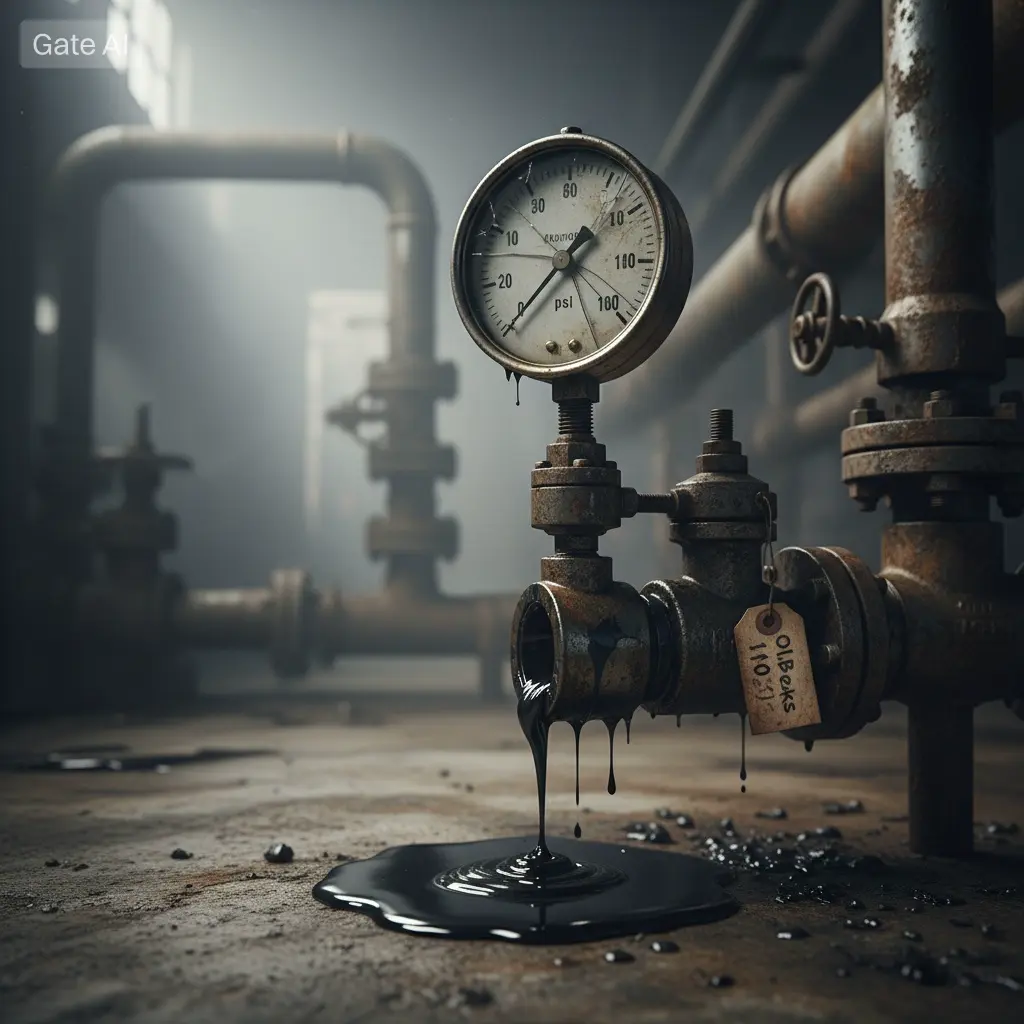

#OilBreaks110
Oil Enters a Global Macro Risk Expansion Phase
Market Overview
The global oil market is moving into one of its most critical macroeconomic phases of 2026, with crude holding inside a highly sensitive price zone where every move is now connected to geopolitical risk, inflation expectations, and supply-chain security. Oil approaching the $110 psychological level is far bigger than a simple commodity breakout because this zone historically acts as a trigger point for wider financial market reactions. At this stage, oil is no longer trading purely on supply and demand. It is trading on fear, uncertainty, and strategic risk pricing. This changes everything because when fear enters commodities, price behavior becomes aggressive, emotional, and highly volatile. The current oil structure shows that the market is preparing for a larger directional move, and the next few sessions may define whether this becomes a full breakout cycle or a sharp relief correction.
Why Oil Is Rising Right Now
The current rise in oil prices is being driven by multiple high-impact catalysts working together at the same time. The first and strongest driver is geopolitical instability in the Middle East, where any increase in tension creates immediate supply disruption fears. Oil markets do not wait for confirmed disruption; they react to the possibility of disruption. That is why even headlines, rumors, or military movement can push prices higher quickly. The second major factor is supply discipline from major oil-producing nations, where output remains controlled and inventories stay tighter than expected. This limits downside pressure and strengthens price floors. The third factor is inflation expectations, because higher oil directly increases transportation costs, industrial production costs, and consumer prices globally. When these three forces combine, oil enters a premium-pricing environment where normal market logic becomes weaker and fear-driven momentum becomes stronger.
The Geopolitical Premium and Why It Matters
Geopolitical pricing is one of the most powerful forces in oil markets because supply fear always moves faster than demand changes. Economic slowdowns take months to affect oil demand, but geopolitical events can change supply expectations within minutes. This is why oil responds aggressively to war narratives, regional instability, and strategic military developments. The market is currently carrying a risk premium because traders understand that any escalation could affect exports, shipping routes, or regional production security. Fear premiums can add significant value to oil without any actual disruption happening. This makes oil one of the fastest-moving macro assets during political instability, and understanding this premium is essential for traders because it explains why technical resistance often breaks faster during geopolitical cycles.
Strait of Hormuz and Global Supply Risk
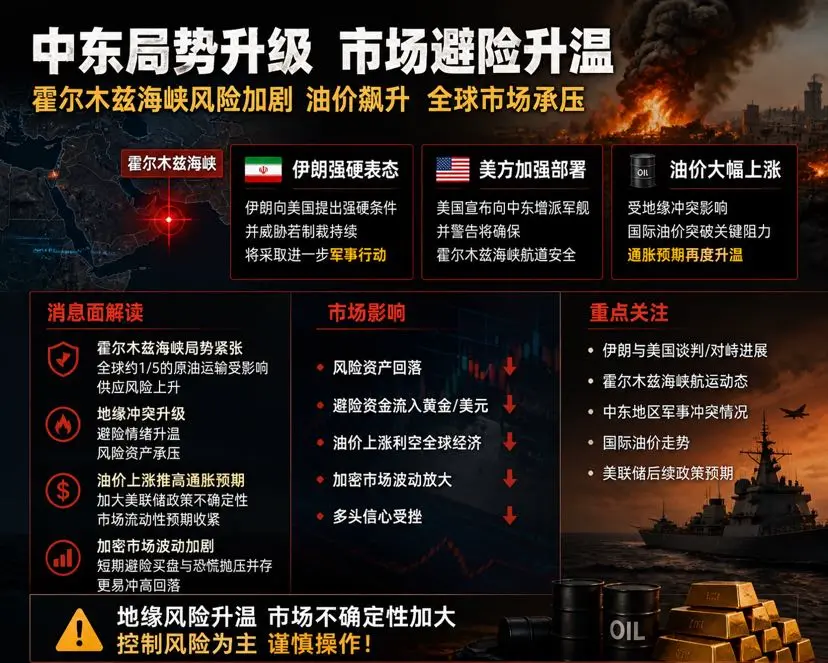
One of the most critical pressure points for oil right now remains the Strait of Hormuz. This route is one of the world’s most important oil transportation corridors, and a major portion of global oil supply moves through it daily. Any risk to shipping security in this area immediately creates panic pricing in the market. If shipping slows, insurance premiums rise. If insurance costs rise, oil delivery costs rise. If delivery timing becomes uncertain, supply fear increases. That fear gets priced directly into oil contracts. This makes the Strait of Hormuz one of the most powerful volatility drivers in the oil market. Traders understand that this is not just a regional issue—it is a global energy pressure point, and any instability here can trigger explosive price reactions.
Supply Discipline from Producers
Beyond geopolitics, supply management remains a strong support factor for oil prices. Major oil producers continue to maintain controlled production strategies, which keeps supply tight and prevents oversupply conditions. This supply discipline creates a strong structural floor for oil because even if short-term demand weakens, the market does not have enough excess supply to absorb large shocks comfortably. That means pullbacks often attract buyers quickly. Tight supply combined with geopolitical uncertainty creates one of the strongest bullish combinations in commodity markets because both structure and sentiment support higher prices.
Inflation Impact on the Global Economy
Oil above $100 has serious inflation consequences. Rising oil prices increase fuel costs, transportation costs, manufacturing costs, and food distribution costs. These cost increases eventually move into consumer prices, creating wider inflation pressure. This is dangerous for global economies because inflation slows consumer spending and forces central banks to remain cautious. Higher inflation means higher interest rates for longer, and higher interest rates reduce economic growth. Oil therefore becomes much more than an energy story. It becomes a monetary policy story. This is why financial markets closely monitor oil because sustained high prices can directly affect future rate decisions.
Impact on Bitcoin and Crypto Markets
Oil has a hidden but powerful impact on crypto markets because oil influences liquidity conditions. When oil rises sharply, inflation expectations rise as well. Higher inflation often strengthens the US dollar, and a stronger dollar creates pressure on Bitcoin and altcoins because global liquidity tightens. Risk appetite weakens, and institutions become more defensive. This creates short-term pressure for crypto assets. However, there is another side to this relationship. Long-term inflation concerns can strengthen Bitcoin’s narrative as a hedge against monetary debasement. This creates a mixed market effect where oil can hurt crypto in the short term but support the long-term Bitcoin thesis. Traders who understand macro liquidity cycles gain an important advantage here.
Stock Market Reaction to Higher Oil
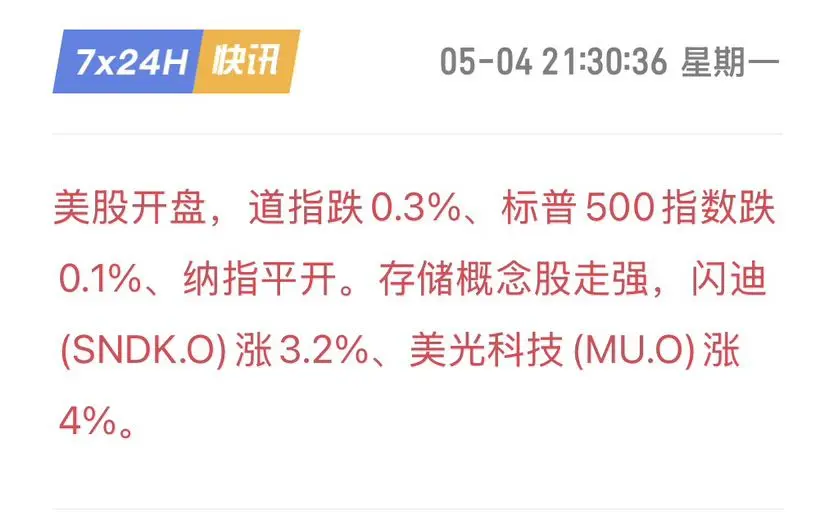
Stock markets usually struggle when oil rises aggressively because higher energy costs reduce profitability across many sectors. Transportation becomes more expensive, logistics costs rise, and consumer-focused businesses face margin pressure. Growth stocks, especially technology, often face stronger selling pressure because higher inflation reduces future valuation strength. At the same time, energy-related stocks usually outperform because higher oil directly improves revenue potential. This creates sector rotation, where institutional money shifts from growth sectors into energy and commodities. Understanding this rotation helps traders understand broader market positioning.
Technical Structure and Key Levels
From a technical perspective, oil is now trading in a major decision zone. The $100 level has become a powerful psychological support level and is now the foundation of current bullish sentiment. As long as price remains above this region, bullish structure remains intact. The $105 area is the immediate short-term resistance zone where breakout pressure is building. The $110 level remains the most important psychological breakout zone. If oil breaks and holds above this level, momentum traders and institutional buyers may accelerate the move toward $115 or higher. Beyond $115, oil enters emotional expansion territory where volatility can become extreme. On the downside, losing the $98 zone would weaken the current bullish structure and open the door for a broader correction.
Bullish Scenario Ahead
If geopolitical tension increases and supply fears grow stronger, oil can break above the $110 level and accelerate toward $115–$120. This move would likely be driven by fear expansion, supply uncertainty, and stronger momentum participation. In this environment, trend-following traders usually perform better because momentum becomes stronger than mean reversion. However, volatility also becomes much more dangerous, so risk control becomes critical.
Neutral Consolidation Scenario
If geopolitical headlines stabilize and no major escalation occurs, oil may remain inside a broad consolidation range between $100 and $108. This type of market usually creates opportunities for range traders rather than breakout traders. In this phase, support and resistance trading becomes more effective while waiting for the next major catalyst.
Bearish Correction Scenario
If diplomatic progress reduces regional tensions and supply fears decline, oil can quickly lose its fear premium and retrace toward $95–$98. Fear exits markets faster than it enters, which means corrections can happen very quickly. This would create relief across equities and crypto while reducing inflation pressure temporarily. Traders should respect this possibility because oil corrections after geopolitical stabilization are often aggressive.
Trader Strategy and Risk Management
Oil is currently one of the most dangerous markets to trade emotionally because headlines can change direction within minutes. The smartest approach is to focus on confirmed levels, disciplined entries, and strict stop-loss management. Overleveraging in oil during geopolitical uncertainty is one of the biggest mistakes traders make. Position size should remain controlled, and traders should avoid holding oversized positions during major political developments. The goal in this market is not to predict every move but to survive volatility and capture confirmed opportunities.
Final Market Conclusion
Oil is currently acting as a global macro stress indicator rather than just an energy commodity. Its movement reflects inflation pressure, supply security fears, and geopolitical uncertainty at the same time. As long as oil remains above the $100 structure, the market remains bullish with elevated volatility. A breakout above $110 could trigger a major expansion toward $115 and beyond, while de-escalation could quickly pull prices back toward the mid-$90s. Right now, oil is one of the most important assets to watch because its movement will influence stocks, crypto, inflation expectations, and global risk appetite. Smart traders understand that in markets like this, managing risk is more valuable than predicting direction.
Oil Enters a Global Macro Risk Expansion Phase
Market Overview
The global oil market is moving into one of its most critical macroeconomic phases of 2026, with crude holding inside a highly sensitive price zone where every move is now connected to geopolitical risk, inflation expectations, and supply-chain security. Oil approaching the $110 psychological level is far bigger than a simple commodity breakout because this zone historically acts as a trigger point for wider financial market reactions. At this stage, oil is no longer trading purely on supply and demand. It is trading on fear, uncertainty, and strategic risk pricing. This changes everything because when fear enters commodities, price behavior becomes aggressive, emotional, and highly volatile. The current oil structure shows that the market is preparing for a larger directional move, and the next few sessions may define whether this becomes a full breakout cycle or a sharp relief correction.
Why Oil Is Rising Right Now
The current rise in oil prices is being driven by multiple high-impact catalysts working together at the same time. The first and strongest driver is geopolitical instability in the Middle East, where any increase in tension creates immediate supply disruption fears. Oil markets do not wait for confirmed disruption; they react to the possibility of disruption. That is why even headlines, rumors, or military movement can push prices higher quickly. The second major factor is supply discipline from major oil-producing nations, where output remains controlled and inventories stay tighter than expected. This limits downside pressure and strengthens price floors. The third factor is inflation expectations, because higher oil directly increases transportation costs, industrial production costs, and consumer prices globally. When these three forces combine, oil enters a premium-pricing environment where normal market logic becomes weaker and fear-driven momentum becomes stronger.
The Geopolitical Premium and Why It Matters
Geopolitical pricing is one of the most powerful forces in oil markets because supply fear always moves faster than demand changes. Economic slowdowns take months to affect oil demand, but geopolitical events can change supply expectations within minutes. This is why oil responds aggressively to war narratives, regional instability, and strategic military developments. The market is currently carrying a risk premium because traders understand that any escalation could affect exports, shipping routes, or regional production security. Fear premiums can add significant value to oil without any actual disruption happening. This makes oil one of the fastest-moving macro assets during political instability, and understanding this premium is essential for traders because it explains why technical resistance often breaks faster during geopolitical cycles.
Strait of Hormuz and Global Supply Risk
One of the most critical pressure points for oil right now remains the Strait of Hormuz. This route is one of the world’s most important oil transportation corridors, and a major portion of global oil supply moves through it daily. Any risk to shipping security in this area immediately creates panic pricing in the market. If shipping slows, insurance premiums rise. If insurance costs rise, oil delivery costs rise. If delivery timing becomes uncertain, supply fear increases. That fear gets priced directly into oil contracts. This makes the Strait of Hormuz one of the most powerful volatility drivers in the oil market. Traders understand that this is not just a regional issue—it is a global energy pressure point, and any instability here can trigger explosive price reactions.
Supply Discipline from Producers
Beyond geopolitics, supply management remains a strong support factor for oil prices. Major oil producers continue to maintain controlled production strategies, which keeps supply tight and prevents oversupply conditions. This supply discipline creates a strong structural floor for oil because even if short-term demand weakens, the market does not have enough excess supply to absorb large shocks comfortably. That means pullbacks often attract buyers quickly. Tight supply combined with geopolitical uncertainty creates one of the strongest bullish combinations in commodity markets because both structure and sentiment support higher prices.
Inflation Impact on the Global Economy
Oil above $100 has serious inflation consequences. Rising oil prices increase fuel costs, transportation costs, manufacturing costs, and food distribution costs. These cost increases eventually move into consumer prices, creating wider inflation pressure. This is dangerous for global economies because inflation slows consumer spending and forces central banks to remain cautious. Higher inflation means higher interest rates for longer, and higher interest rates reduce economic growth. Oil therefore becomes much more than an energy story. It becomes a monetary policy story. This is why financial markets closely monitor oil because sustained high prices can directly affect future rate decisions.
Impact on Bitcoin and Crypto Markets
Oil has a hidden but powerful impact on crypto markets because oil influences liquidity conditions. When oil rises sharply, inflation expectations rise as well. Higher inflation often strengthens the US dollar, and a stronger dollar creates pressure on Bitcoin and altcoins because global liquidity tightens. Risk appetite weakens, and institutions become more defensive. This creates short-term pressure for crypto assets. However, there is another side to this relationship. Long-term inflation concerns can strengthen Bitcoin’s narrative as a hedge against monetary debasement. This creates a mixed market effect where oil can hurt crypto in the short term but support the long-term Bitcoin thesis. Traders who understand macro liquidity cycles gain an important advantage here.
Stock Market Reaction to Higher Oil
Stock markets usually struggle when oil rises aggressively because higher energy costs reduce profitability across many sectors. Transportation becomes more expensive, logistics costs rise, and consumer-focused businesses face margin pressure. Growth stocks, especially technology, often face stronger selling pressure because higher inflation reduces future valuation strength. At the same time, energy-related stocks usually outperform because higher oil directly improves revenue potential. This creates sector rotation, where institutional money shifts from growth sectors into energy and commodities. Understanding this rotation helps traders understand broader market positioning.
Technical Structure and Key Levels
From a technical perspective, oil is now trading in a major decision zone. The $100 level has become a powerful psychological support level and is now the foundation of current bullish sentiment. As long as price remains above this region, bullish structure remains intact. The $105 area is the immediate short-term resistance zone where breakout pressure is building. The $110 level remains the most important psychological breakout zone. If oil breaks and holds above this level, momentum traders and institutional buyers may accelerate the move toward $115 or higher. Beyond $115, oil enters emotional expansion territory where volatility can become extreme. On the downside, losing the $98 zone would weaken the current bullish structure and open the door for a broader correction.
Bullish Scenario Ahead
If geopolitical tension increases and supply fears grow stronger, oil can break above the $110 level and accelerate toward $115–$120. This move would likely be driven by fear expansion, supply uncertainty, and stronger momentum participation. In this environment, trend-following traders usually perform better because momentum becomes stronger than mean reversion. However, volatility also becomes much more dangerous, so risk control becomes critical.
Neutral Consolidation Scenario
If geopolitical headlines stabilize and no major escalation occurs, oil may remain inside a broad consolidation range between $100 and $108. This type of market usually creates opportunities for range traders rather than breakout traders. In this phase, support and resistance trading becomes more effective while waiting for the next major catalyst.
Bearish Correction Scenario
If diplomatic progress reduces regional tensions and supply fears decline, oil can quickly lose its fear premium and retrace toward $95–$98. Fear exits markets faster than it enters, which means corrections can happen very quickly. This would create relief across equities and crypto while reducing inflation pressure temporarily. Traders should respect this possibility because oil corrections after geopolitical stabilization are often aggressive.
Trader Strategy and Risk Management
Oil is currently one of the most dangerous markets to trade emotionally because headlines can change direction within minutes. The smartest approach is to focus on confirmed levels, disciplined entries, and strict stop-loss management. Overleveraging in oil during geopolitical uncertainty is one of the biggest mistakes traders make. Position size should remain controlled, and traders should avoid holding oversized positions during major political developments. The goal in this market is not to predict every move but to survive volatility and capture confirmed opportunities.
Final Market Conclusion
Oil is currently acting as a global macro stress indicator rather than just an energy commodity. Its movement reflects inflation pressure, supply security fears, and geopolitical uncertainty at the same time. As long as oil remains above the $100 structure, the market remains bullish with elevated volatility. A breakout above $110 could trigger a major expansion toward $115 and beyond, while de-escalation could quickly pull prices back toward the mid-$90s. Right now, oil is one of the most important assets to watch because its movement will influence stocks, crypto, inflation expectations, and global risk appetite. Smart traders understand that in markets like this, managing risk is more valuable than predicting direction.